
+86-13534590764 [email protected] Foshan, Guangdong, China

How to Choose Plastic Pipe Fittings for Your Project?

Time:2026-09-23 Author:Amelia
0%

Choosing the right Plastic Pipe Fittings can determine whether a piping system performs smoothly or develops costly problems. A fitting may look suitable on a showroom shelf, yet fail when pressure, heat, chemicals, or movement enter the picture. Small details matter. This guide explains how experienced installers and project planners evaluate fittings before purchase. It considers pipe material, connection method, size, pressure rating, temperature range, and application conditions. A fitting for cold-water service may not suit compressed air, irrigation, drainage, or industrial fluid transfer. Compatibility must be checked carefully.

Reliable selection begins with verified information. Review technical data sheets, dimensional drawings, installation instructions, and applicable industry standards. Confirm that the fitting matches the pipe’s outside diameter or nominal size. Check whether the joint requires solvent cement, threading, crimping, compression, or heat fusion. The wrong joining method can weaken an otherwise excellent product. It happens more often than people admit. That mistake costs time.

Practical experience also reveals overlooked issues. Tight spaces may require elbows with different radii. Outdoor installations may need protection from ultraviolet exposure and temperature changes. Buried systems require attention to soil movement, support, and inspection access. Reputable manufacturers should provide traceability, consistent dimensions, and clear performance limits. Independent certifications can add confidence, but they do not replace correct design or installation. No checklist is perfect. Conditions vary from one project to another. Careful judgment remains essential. This introduction will help you compare Plastic Pipe Fittings with greater confidence and avoid choices based only on price or appearance.
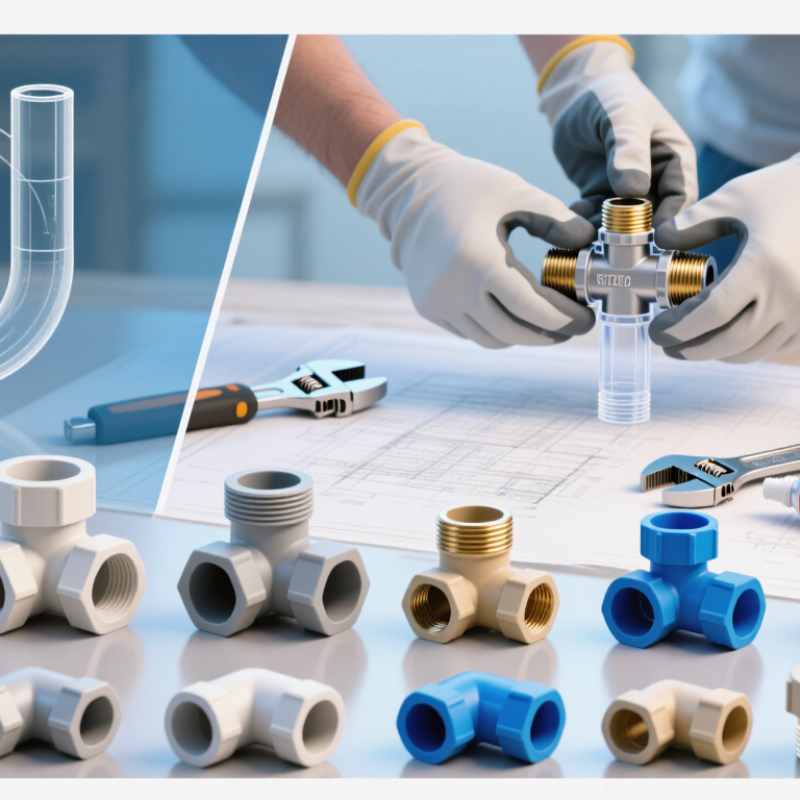
How to Choose Plastic Pipe Fittings for Your Project?

Define the Project’s Pipe Fitting Requirements

Before selecting plastic pipe fittings, define the project’s working conditions. Record the fluid, flow rate, pressure, temperature, pipe size, and installation environment. A fitting for cold potable water may fail in hot chemical service. Do not rely on pipe diameter alone. Calculate pressure loss and check the manufacturer’s published temperature derating data.

The U.S. EPA WaterSense program estimates that household leaks waste nearly one trillion gallons of water annually in the United States. Poorly matched joints can contribute to this loss. Specify the connection method, such as solvent welding, threading, compression, or flanges. Confirm material compatibility with disinfectants, oils, acids, and soil conditions. ASTM standards and the Plastics Pipe Institute Handbook provide useful testing and design references. However, a standard listing does not replace project-specific verification.

Tips: Build a simple requirement sheet before ordering. Include service pressure, maximum temperature, chemical exposure, joining method, inspection access, and expected service life. Ask for documented test results and installation instructions. I have seen clean drawings hide one practical problem: there was no space to tighten the final fitting. Leave room for tools and thermal movement. It sounds obvious, but it is often missed. Also review local plumbing requirements and the engineer’s calculations. A fitting can look perfect on paper and still be the wrong choice in the field.

Select the Right Plastic Fitting Material

Select the Right Plastic Fitting Material

Choosing a plastic pipe fitting starts with the fluid, temperature, pressure, and installation location. PVC fittings suit many cold-water and drainage systems. CPVC can handle higher temperatures, when local codes approve it. Polypropylene performs well in some chemical and hot-water applications. Polyethylene fittings offer flexibility for buried or uneven pipe runs. Do not choose by appearance alone.

Check the fitting’s pressure rating at the actual operating temperature. Heat can reduce plastic strength. Chemical compatibility also matters. A cleaning solution may damage a fitting that looks perfectly suitable. In a pump room, I inspect the material chart, pipe schedule, and joint method together. Solvent cement, heat fusion, compression joints, and threaded connections each require different skills. Small installation errors can create leaks months later.

Outdoor projects need extra attention. Sunlight can weaken some plastics unless the material includes suitable protection or the fitting is shielded. Soil movement may also stress rigid joints. I once focused too much on pressure ratings and overlooked repeated temperature changes. That was a useful mistake. Ask for test documentation, installation instructions, and compliance information from a reliable supplier. Then compare those details with local plumbing requirements and the manufacturer’s technical data. The safest selection is the one supported by evidence, not the one that simply fits the pipe.

How to Choose Plastic Pipe Fittings for Your Project?

Typical continuous service-temperature limits by plastic fitting material

Temperature resistance is an important starting point when selecting plastic pipe fittings. PVC and HDPE are commonly used for moderate-temperature water and utility systems, while CPVC and polypropylene support higher operating temperatures. PVDF is suitable for applications requiring particularly high temperature and chemical resistance. Actual limits depend on pressure, chemical exposure, fitting design, and applicable standards, so always verify the manufacturer’s technical data before installation.

Match Fitting Types to Pipe Connections

Choosing a fitting begins with the pipe connection, not the catalog shelf. For PVC or CPVC, solvent-weld sockets create a compact joint when pipe, primer, and cement are compatible. For polyethylene, butt fusion or electrofusion usually provides a continuous, leak-resistant connection. Mechanical compression fittings suit repairs and removable sections, but the fitting must match the pipe’s outside diameter and pressure rating. Threaded adapters are useful at valves, yet plastic threads can crack when overtightened. Leave room for movement.

Field checks matter. Confirm temperature, chemical exposure, SDR, and the applicable ASTM or ISO standard before installation. A flange may look simple, but poor gasket alignment or uneven bolt torque can distort the joint. The U.S. EPA’s 2023 Drinking Water Infrastructure Needs Survey estimates $625 billion in needs over twenty years. That figure makes small connection decisions feel less small. The ASCE 2021 Infrastructure Report Card rated U.S. drinking water infrastructure C−, highlighting the cost of neglected reliability. I would also avoid mixing fitting systems without written approval. It saves time sometimes. It can also create a weak transition. Record batch details, joint preparation, and test results; a photograph alone cannot prove installation quality.

Check Size, Pressure, and Temperature Compatibility

Choosing plastic pipe fittings starts with a tape measure, not a guess.

Measure the pipe’s outside diameter and confirm its nominal size. A fitting that looks close may still leak. Check whether the connection uses solvent welding, threads, compression, or another joining method. I have seen small measurement errors create large installation problems. Dry-fit the parts before applying adhesive. It saves time.

Pressure ratings need careful attention. Compare the fitting’s rated working pressure with the system’s maximum pressure, including pump surges. Do not rely only on the pipe rating. The fitting may be the weaker component. Review the technical datasheet and installation instructions from the manufacturer. A cold-water rating may not apply to hot water. Keep a safety margin where practical, especially in buried lines or systems that cycle often. Pressure changes matter.

Temperature compatibility is equally important. Identify the normal operating temperature and any short-term spikes. Heat can soften some plastics, while freezing can make trapped water expand and stress joints. Check chemical exposure too, since cleaning fluids or process liquids may affect the material. I once focused heavily on pressure and nearly overlooked a temperature limit. That was a useful correction.

Record the selected size, material, pressure class, temperature range, and joining method before installation. Then inspect every joint after testing.

Compare Installation Methods, Standards, and Costs

How to Choose Plastic Pipe Fittings for Your Project?

Installation method affects labor, reliability, and the final budget. Solvent-cement fittings usually cost little and work well for PVC systems. They need clean, dry surfaces and proper curing time. Rushing the joint can create a hidden leak. Threaded fittings allow easier disassembly, but plastic threads can crack when overtightened. Use a compatible sealant and tighten carefully.

Compression fittings install quickly with basic tools. Their unit price is often higher, but they can reduce labor in cramped spaces or repair work. Heat-fusion and electrofusion fittings require trained installers and specialized equipment. The initial cost is higher. However, correctly fused joints can provide strong, continuous connections for pressure and buried applications. The method must match the pipe material.

Standards deserve equal attention. Check the project code and the fitting’s documented ASTM, ISO, or EN compliance. Confirm pressure, temperature, diameter, and chemical-resistance ratings. A fitting marked for drainage may not suit a pressurized water line. Keep the paperwork.

Cost comparisons should include tools, inspection, curing time, waste, and future maintenance. A low-cost fitting may require more labor or earlier replacement. A practical check is simple: dry-fit the layout, measure twice, and test the completed line gradually. My own judgment can be too optimistic when schedules are tight. That is why written specifications and a second inspection matter.

FAQS

What should I consider before choosing a plastic pipe fitting?

Check the fluid, temperature, pressure, pipe size, and installation location. Do not choose by appearance alone. Evidence matters.

How do I confirm the correct fitting size?

Measure the pipe’s outside diameter with a tape measure. Confirm the nominal size and connection type. A close-looking fitting may still leak.

Why must pressure ratings match actual operating conditions?

Compare the fitting rating with maximum pressure and pump surges. The fitting may be weaker than the pipe. Keep a practical safety margin.

How does temperature affect plastic fittings?

Heat can reduce plastic strength or soften the material. Freezing water can expand inside trapped sections. Check normal temperatures and short-term spikes.

Which plastic materials suit different applications?

Some materials suit cold water and drainage. Others handle higher temperatures, chemicals, flexible buried routes, or uneven pipe runs. Confirm compatibility with technical data.

Why is chemical compatibility important?

Cleaning fluids or process liquids may damage a fitting. It can look perfect and still fail later. Check the material compatibility chart.

What joining method should I use?

Common methods include solvent welding, heat fusion, compression, and threaded connections. Each requires different preparation and skills. Dry-fit parts first.

What should I check for outdoor or buried installations?

Protect fittings from strong sunlight when required. Soil movement can stress rigid joints. Buried systems also need attention to pressure changes and temperature cycles.

What documents should I request before installation?

Request test records, installation instructions, compliance information, and technical datasheets. Compare them with local plumbing requirements. I once focused on pressure and nearly missed a temperature limit.

How can I reduce leaks after installation?

Record the size, material, pressure class, temperature range, and joining method. Inspect every joint after testing. Small errors can appear months later.

Conclusion

Choosing the right Plastic Pipe Fittings begins with clearly defining your project’s requirements, including the pipe system’s purpose, fluid type, flow conditions, and installation environment. These factors help determine the most suitable fitting material, such as options designed for chemical resistance, durability, flexibility, or exposure to moisture and sunlight. It is also important to match each fitting type with the pipe connection method, whether the system requires threaded, solvent-welded, fusion, push-fit, or mechanical connections.

Before making a final selection, verify that the fittings match the pipe diameter and are rated for the expected pressure and temperature range. Compatibility between all components is essential for preventing leaks and maintaining long-term performance. Finally, compare installation methods, applicable industry standards, maintenance needs, and total project costs. A fitting that appears inexpensive may require more labor or specialized tools, while a slightly higher initial investment may provide easier installation and greater reliability over time.

Amelia

Amelia

Amelia is a seasoned marketing professional with a wealth of expertise in our company’s core offerings. With an unwavering passion for driving growth and innovation, she plays a pivotal role in shaping our marketing strategies and enhancing brand visibility. A key aspect of her responsibilities......