Choosing a reliable Pvc Elbow manufacturer in China requires more than comparing prices. Product consistency, material quality, factory experience, and communication all matter during procurement.
This guide examines leading Chinese manufacturers through practical purchasing criteria. We consider PVC resin quality, injection molding accuracy, pressure ratings, dimensional control, and available connection types. A dependable factory should provide clear technical data, traceable inspection records, and samples that match mass production. Details matter, especially when an elbow must fit tightly inside a crowded piping system.
Experience also deserves close attention. Manufacturers serving construction, irrigation, drainage, and industrial projects often understand different installation demands. Their production lines may include automated molding machines, visual inspection stations, and pressure-testing equipment. Certifications can support credibility, but paperwork alone proves little. Independent testing and customer references remain valuable.
No supplier is perfect. Even an established manufacturer may face delays, mold adjustments, or communication gaps. That is why this review also considers response speed, export experience, packaging protection, and after-sales support. A strong supplier should explain limitations instead of making broad promises. Look closely. The best choice is not always the largest factory or the lowest quotation. It is the manufacturer that delivers stable Pvc Elbow products, honest documentation, and dependable cooperation over time.
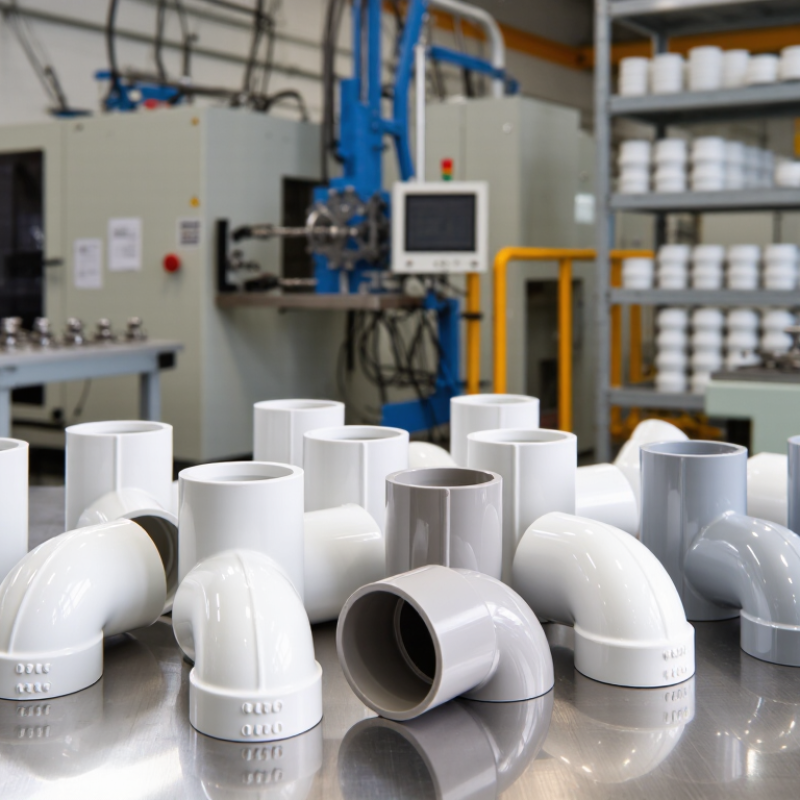
PVC Elbow Manufacturing in China: Industry Overview and Market Role
China’s PVC elbow industry supports water supply, drainage, irrigation, and industrial piping projects worldwide. Its market role comes from scalable production, competitive tooling, and extensive material supply chains. Manufacturers typically use injection molding to create consistent socket dimensions and smooth internal surfaces. PVC-U remains common because it is lightweight, corrosion-resistant, and simple to install.
The top manufacturers are not identified by price alone. Reliable suppliers show production records, material specifications, pressure-test results, and batch traceability. Factory evaluations should examine mold maintenance, dimensional inspection, packing quality, and response speed. A practical check is measuring several elbows from one carton. Their angles, wall thicknesses, and socket depths should remain consistent. Certification can support trust, but it does not replace independent testing. A polished catalog may still hide weak process control. That detail is easy to overlook.
Tips: Ask for recent test reports, sample approvals, and production photographs. Confirm the applicable pipe standards before ordering. Discuss temperature, pressure, and chemical exposure clearly. Keep written records of agreed tolerances. No factory is perfect, and even strong suppliers may need closer inspection during peak seasons.
PVC Elbow Manufacturing in China: Industry Overview and Market Role
China remains a major PVC manufacturing base, supported by large domestic PVC resin capacity and an extensive plastics-processing supply chain. The indicators below show the broader PVC industry's capacity and production trend, which provides the material and manufacturing foundation for PVC elbows and other pipe fittings. Figures are rounded industry estimates compiled from public Chinese chlor-alkali industry and market reports.
Key Types of PVC Elbows Produced by Chinese Manufacturers
Chinese PVC elbow manufacturers produce several fitting types for water supply, drainage, irrigation, and industrial piping. The 90-degree elbow remains the common choice for sharp direction changes. A 45-degree elbow creates smoother flow and may reduce turbulence in longer pipe runs. Some factories also make 22.5-degree elbows for gradual routing around walls, tanks, and equipment.
Reducing elbows connect different pipe diameters, such as 50 mm to 32 mm. They can save space when a separate reducer and elbow would be impractical. Street elbows combine a socket end with a male threaded end. This design can simplify connections near valves or compact pump assemblies. Threaded PVC elbows need careful tightening, because excessive force may damage the fitting. That detail is easy to overlook.
Manufacturers also offer equal elbows, double-socket elbows, and inspection elbows with removable access points. Drainage models often use thinner walls and smoother internal surfaces than pressure-rated fittings. Experienced buyers check resin quality, wall thickness, dimensional tolerance, and socket depth rather than relying on appearance alone. A bright surface proves little. Pressure testing, batch records, and suitable certification provide stronger evidence of reliability. Some suppliers offer many angles, but not every custom design deserves production. Tooling costs, flow performance, and installation habits still need review. Real projects are rarely tidy. Temperature, uneven supports, and rushed cutting can affect an otherwise well-made elbow.
Top PVC Elbow Manufacturers and Their Product Strengths
China’s leading PVC elbow manufacturers stand out through focused product strengths rather than names alone. Experienced factories usually offer molded elbows in 45-degree and 90-degree angles. Their product ranges may include socket, threaded, and drainage connections. Strong manufacturers control wall thickness carefully. This helps reduce leakage risks during installation and long-term service.
Material consistency is another important advantage. Reliable producers use suitable PVC compounds, stable additives, and controlled heat during molding. Better factories also inspect dimensions, socket depth, surface finish, and pressure performance. Some provide samples before larger orders. That practical step helps buyers check fit with existing pipes. However, catalog claims still need verification. I have seen attractive specifications fail when batch testing was missing.
Tips: Ask for recent test reports, material details, and dimensional drawings. Confirm the working pressure at the intended temperature. Check whether the manufacturer supports custom colors, markings, or packaging. A factory with clear inspection records is usually easier to trust. Also, review production capacity before choosing a large supplier. Fast promises can hide limited equipment or inconsistent quality. Short lead times sound useful, but stable output matters more. Experienced buyers should compare several samples under the same installation conditions. Small differences in socket depth can create real problems on site.
Quality Standards and Testing Practices for PVC Elbows
When comparing top PVC elbow manufacturers in China, quality standards deserve more attention than catalog size. Reliable producers usually align products with applicable standards, such as ISO 1452 or ASTM requirements. The correct standard depends on the market, pressure class, and connection method. Buyers should request current certificates, technical datasheets, and batch records. Old documents are not enough.
Testing should begin with incoming resin inspection and production traceability. Each batch needs a recorded material source, formulation, and processing date. Finished elbows should undergo dimensional checks, including socket depth, wall thickness, and angle accuracy. Pressure testing can reveal weak joints or hidden molding defects. Hydrostatic tests are especially useful for pressure-rated systems. Impact testing, heat reversion checks, and Vicat softening tests may also support product evaluation.
Practical inspection matters.
A trained quality engineer should sample products from different production runs, not only from a polished showroom batch. Visual checks can identify flash, cracks, discoloration, and uneven surfaces, but appearance alone proves little. I have seen acceptable-looking fittings fail after poor joint preparation. Manufacturers should document test equipment calibration and retain samples for later review. No testing plan is flawless. Sampling may miss a rare defect. That risk should be openly discussed, measured, and reduced through repeated audits, independent verification, and clear corrective-action records.
How to Choose a Reliable Chinese PVC Elbow Manufacturer
What Are the Top PVC Elbow Manufacturers in China?
Choosing a reliable Chinese PVC elbow manufacturer requires more than comparing prices. Check production experience, material control, and quality records. A dependable factory should explain its PVC formulation clearly. It should also provide product drawings, pressure ratings, and dimensional tolerances. Ask for recent inspection reports, not only polished catalog pages.
Factory evidence matters. Request a video audit or visit the production site when possible. Look for clean storage areas, labeled raw materials, and calibrated testing equipment. Samples should match the promised size and wall thickness. Test socket fit, surface finish, and leakage resistance before placing a large order. Communication also reveals much. Slow replies can become expensive delays.
Tips: Request three samples from different batches. Confirm the applicable testing standards in writing. Review the mold condition and replacement plan. Ask how defects are recorded and corrected. A supplier without clear answers deserves caution. No factory is perfect. Even experienced buyers can overlook packaging damage or seasonal capacity limits. Leave room for inspection, corrective action, and realistic delivery time.
FAQS
90-degree elbows make sharp turns. 45-degree elbows create smoother flow and may reduce turbulence. 22.5-degree elbows support gradual routing around walls, tanks, or equipment.
It connects different pipe diameters, such as 50 mm and 32 mm. This can save space where a separate reducer and elbow would be awkward.
They combine a socket end with a male threaded end. This design can simplify compact connections near valves or pump assemblies. Tighten carefully. Excessive force may damage threads.
Drainage fittings often have thinner walls and smoother internal surfaces. Pressure-rated fittings need suitable wall thickness and documented pressure testing. The right choice depends on the system.
Check resin quality, wall thickness, angle accuracy, dimensional tolerance, and socket depth. A bright surface proves little. Poor cutting or uneven supports can still cause installation problems.
Request current certificates, technical datasheets, batch records, and material traceability. Confirm the documents match the product, pressure class, market, and connection method. Old paperwork is weak evidence.
Dimensional checks verify socket depth, wall thickness, and angle. Hydrostatic pressure tests can reveal weak joints. Impact, heat reversion, and softening tests may add useful evidence.
No test plan catches everything. Inspect samples from different production runs, not one polished batch. Look for cracks, flash, discoloration, and uneven surfaces. Keep retained samples and review calibration records. Sampling can miss rare defects, so repeated audits and corrective actions remain necessary.
Conclusion
China’s PVC elbow manufacturing industry plays an important role in global plumbing, drainage, irrigation, and industrial piping supply chains. Manufacturers commonly produce 45-degree, 90-degree, reducing, threaded, and custom PVC elbows in various sizes and pressure ratings. Their strengths often include flexible production capacity, efficient mold development, competitive pricing, and the ability to support both standard and project-specific requirements. A reliable Pvc Elbow supplier should also demonstrate stable material selection, accurate dimensions, smooth internal surfaces, and consistent connection performance.
Quality control is central to evaluating Chinese manufacturers. Responsible factories typically inspect raw materials, monitor molding conditions, and conduct tests for dimensions, pressure resistance, leakage, impact strength, and long-term durability. Buyers should review production experience, certification availability, testing procedures, sample consistency, packaging standards, lead times, and communication capabilities before placing an order. By comparing technical performance, quality systems, customization support, and after-sales service, purchasers can select a dependable manufacturer that delivers safe, durable, and cost-effective PVC elbow solutions.
 LANGLI PVC Request a Catalog
