 LANGLI PVC Request a Catalog LANGLI PVC Request a Catalog
 Engineered to BS EN 61386 and DIN standards. Direct factory supply with precision tolerance matching.
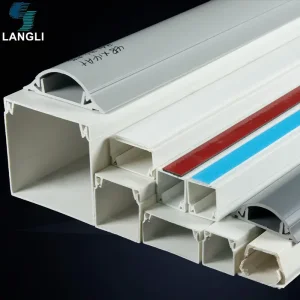
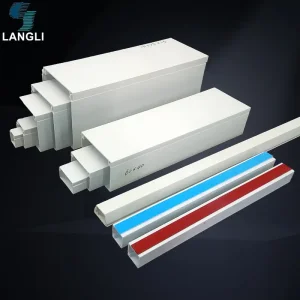
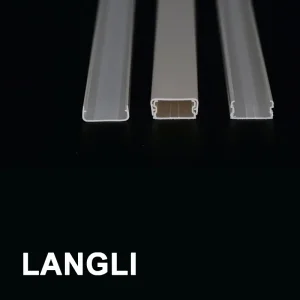
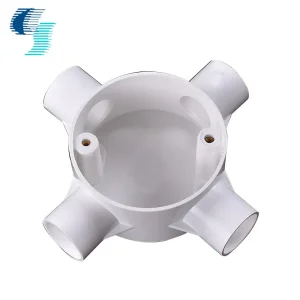
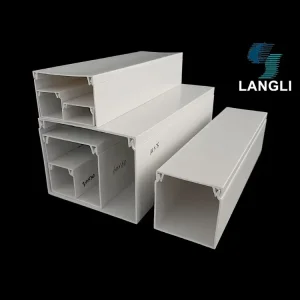
Analyzing the paradigm shift toward unplasticized polyvinyl chloride (UPVC) electrical conduit systems in modern industrial construction.
The global infrastructure ecosystem is undergoing a major transition toward low-maintenance, corrosion-resistant, and dielectric electrical containment solutions. Traditionally, rigid metal conduits (RMC) and Electrical Metallic Tubing (EMT) dominated industrial and commercial building sectors. However, advancing material science and polymer processing technologies have positioned unplasticized polyvinyl chloride (UPVC) conduit systems—and their associated fitting accessories—as the preferred specification for modern electrical engineering.
When procurement managers, electrical contractors, and MEP (Mechanical, Electrical, and Plumbing) consultants search for a China Fitting Conduit Manufacturer & Factory, their underlying search intent goes far beyond locating low-cost unit prices. Modern intent mining reveals critical priorities: structural consistency, chemical inertia, flame-retardant performance, exact socket dimensions for fast field assembly, and robust supply chain continuity capable of meeting rigid project timelines.
In high-density urban developments, commercial skyscrapers, datacenters, and heavy industrial facilities, electrical wire protection is a zero-failure domain. Non-conductive rigid PVC conduit fittings prevent short-circuit arcing, eliminate dielectric breakdown risks, and withstand aggressive ambient environments—ranging from coastal salt air to chemically volatile industrial atmospheres. China’s advanced manufacturing infrastructure, specifically anchored in polymer hubs like Foshan, Guangdong, delivers unmatched economies of scale combined with microscopic precision molding.
Deep-dive into raw material chemistry, injection molding dynamics, and physical performance parameters.
Formulated with self-extinguishing additive compounds. Tested to UL 94 V-0 standards, ensuring flame combustion stops within 10 seconds without flaming drips.
Provides superior electrical insulation exceeding 25 kV/mm, completely preventing voltage leakages and eliminating structural grounding requirements for safety.
Engineered for Vicat softening temperatures above 82°C. Maintains dimensional integrity under high ambient heat without wall sagging or joint distortion.
Unlike standard domestic conduit fittings, export-grade PVC fittings manufactured by Foshan Shunde Langli Hardware Electrical PVC Co., Ltd. maintain socket insertion tolerances within ±0.15mm. This microscopic precision ensures seamless solvent welding (cold cementing) or push-fit sealing, completely preventing moisture ingress and protecting internal cabling against chemical oxidation.
| Performance Indicator | Test Standard | Langli Specification Value | Engineering Benefit |
|---|---|---|---|
| Tensile Strength at Yield | ISO 527 / ASTM D638 | ≥ 48 MPa | Prevents structural cracking under high mechanical stress. |
| Charpy Impact Resistance | ISO 179 / BS 4607 | No rupture at -5°C | Resists field drops, concrete pouring, and cold installation handling. |
| Flame Spread Rating | UL 94 / BS EN 61386 | V-0 / Self-Extinguishing | Inhibits fire progression through electrical raceways. |
| Electrical Resistance | IEC 60614-1 | > 100 MΩ at 500V DC | Protects maintenance personnel from flashover shock. |
| Corrosion Resistance | ASTM B117 Salt Spray | 100% Inert (Immune) | Zero rust in acidic, alkaline, or marine coastal sites. |
How Guangdong's manufacturing cluster delivers cost efficiency, mold prototyping speed, and global logistical continuity.
Evaluating a supplier’s credibility requires examining their core manufacturing ecosystem. Foshan Shunde Langli Hardware Electrical PVC Co., Ltd. (operating since 1989) is anchored at the heart of China’s plastics industrial cluster in Leliu Town, Shunde District, Foshan City. This geographic clustering provides strategic operational capabilities that isolated production facilities cannot match:
Our complete library of over 900 custom-machined steel injection molds enables rapid transition across standard BS, DIN, and ASTM sizing without expensive third-party tooling delays.
Fully automated robotic arm extraction lines deliver continuous 24/7 production cycles, minimizing scrap rates and optimizing resin heating profiles for high structural uniformity.
China’s polymer supply chain resilience relies on localized raw material supply networks. Direct pipeline and bulk container access to high-grade resin suppliers ensures steady raw material costs, insulating international buyers from global market volatility. Furthermore, integrated sea-freight logistics via Nansha and Shenzhen ports enable efficient mixed-container loading, allowing clients to consolidate conduit pipes, elbows, circular boxes, junction tees, and trunking accessories into single shipment containers.
Tailoring PVC conduit formulations and mechanical fittings to diverse global climate zones and building codes.
High ambient thermal conditions in GCC nations demand specialized Titanium Dioxide (TiO₂) compound stabilization to prevent yellowing, embrittlement, and thermal warping caused by intense UV exposure.
European standards require stringent toxic smoke compliance in public transit and high-occupancy buildings, favoring specialized low-smoke halogen-free formulations to ensure safe evacuation paths.
High humidity and tropical monsoon climates demand complete water tightness. Precision solvent-weld junction boxes and heavy-duty circular conduit boxes prevent subterranean groundwater seepage.
Pioneering sustainable bio-plastics, smart conduit monitoring, and advanced automated tooling.
The electrical containment industry is undergoing rapid innovation driven by environmental sustainability initiatives, digital manufacturing, and smart infrastructure integration. Future conduit manufacturing will evolve beyond passive mechanical protection into smart structural components:
Future intelligent raceways will embed passive RFID tracking chips directly into injection-molded conduit fittings during manufacture. This innovation enables construction engineers to scan concealed in-wall electrical networks using handheld receivers, mapping buried junction runs without destructive wall cuts during facility maintenance.
Langli’s R&D department is testing bio-attributed PVC resins derived from post-industrial pine oil byproduct feedstocks. This technical roadmap aims to reduce carbon footprints by up to 40% while preserving the exact mechanical strength, V-0 flame retardancy, and dielectric performance of traditional UPVC fittings.
Documented compliance ensuring smooth customs processing and tender approvals worldwide.
Full compliance with Low Voltage Directive 2014/35/EU, verifying safe operation across European project sites.
Strict chemical testing certifying zero hazardous heavy metals (lead, cadmium, mercury, hexavalent chromium).
Thermal endurance verification ensuring structural material withstands 850°C glowing wires without igniting.
Every shipment is tagged with production lot numbers linking back to raw material compounding records and QC logs.
Comprehensive technical answers directly from our factory engineering team.
Explore customized fireproof trunking, junction boxes, and OEM wiring duct solutions.