 LANGLI PVC Request a Catalog LANGLI PVC Request a Catalog
 Explore our top-tier export range of precision-extruded rigid PVC cable management products designed for seamless jobsite execution and extreme durability.
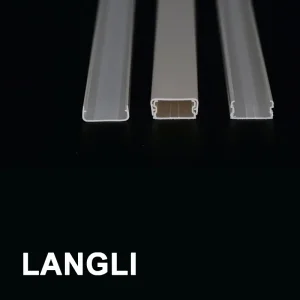
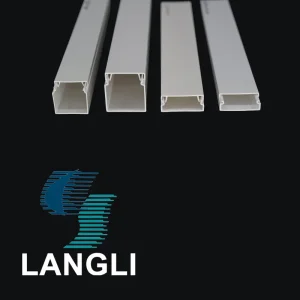
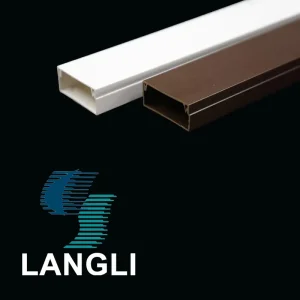
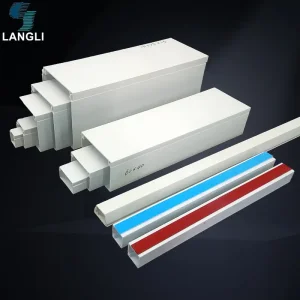
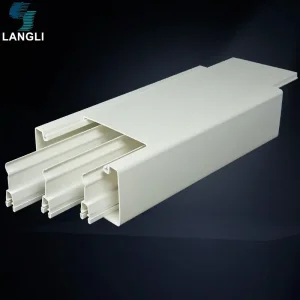
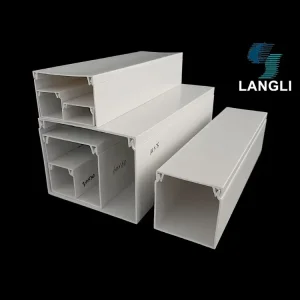
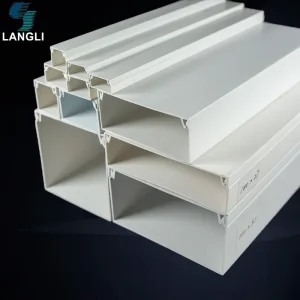
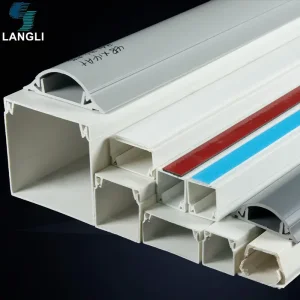
Modern electrical distribution infrastructure demands lightweight, non-corrosive, and fire-retardant cable protection systems. Unplasticized Polyvinyl Chloride (UPVC) has firmly established itself as the global material of choice over traditional metallic conduits.
In modern commercial, residential, and civil infrastructure developments, electrical raceway engineering has undergone a structural paradigm shift. Historically dominated by metallic conduit options like Electrical Metallic Tubing (EMT), Intermediate Metal Conduit (IMC), and Rigid Metal Conduit (RMC), global EPC contractors and MEP specifiers are rapidly transitioning toward advanced unplasticized polyvinyl chloride (UPVC) conduit systems. Utilizing custom PVC as conduit offers structural lightness, dielectric insulation, immunity to chemical degradation, and vastly reduced total installation costs (TIC).
The global PVC electrical conduit market is projected to expand significantly, driven by urbanization in emerging economies, industrial retrofitting in North America and Europe, and massive renewable energy facility construction worldwide. Metallic conduits present severe vulnerabilities in wet, coastal, or chemically reactive industrial environments: they suffer from galvanic corrosion, rust, higher thermal conductivity, and require complex, labor-intensive field threading and grounding procedures. In contrast, rigid PVC conduit systems provide an absolute dielectric barrier, requiring zero secondary equipment grounding while offering superior mechanical protection against impact, compression, and environmental stress cracking.
Completely impervious to galvanic corrosion, acid contact, saline coastal air, and alkaline soil conditions. Unaffected by continuous dampness or direct burial application.
High dielectric strength (>25 kV/mm) prevents electrical arcing and short circuits, eliminating dangerous stray current grounding risks across complex building grids.
Weighing up to 75% less than metallic alternatives, custom PVC conduit simplifies handling, allows rapid solvent-weld jointing, and slashes installation labor hours by up to 50%.
Discover how our specialized Foshan extrusion and injection plant combines automated material compounding, multi-cavity tooling, and strict quality control to deliver competitive global OEM supply chain benefits.
China's Pearl River Delta region, particularly Foshan Shunde, stands as the world's most advanced manufacturing hub for electrical polymer processing. As an industry-leading custom PVC conduit supplier and factory established over three decades ago, our facility operates at the nexus of raw material compounding, CAD/CAM precision mold design, high-speed automated extrusion, and high-efficiency injection molding.
Our engineering superiority is built upon specialized polymer compounding. Standard off-the-shelf PVC resin lacks the thermal stability, impact resistance, and flame retardancy required for heavy-duty commercial raceways. We compound primary virgin PVC resins with premium titanium dioxide (TiO2) for UV stabilization, non-toxic calcium-zinc eco-stabilizers, and specialized chlorinated polyethylene (CPE) impact modifiers. This creates a balanced matrix capable of withstanding extreme cold-shatter tests at -15°C and resisting intense tropical UV degradation without discoloration or structural embrittlement.
In-house CNC mold-making allows custom channel dimensions, wall thicknesses, and junction knockouts to be tooled within 30 days.
Compounded for self-extinguishing flame performance. Passes UL94 V-0 tests, ceasing combustion within 10 seconds without flaming drips.
Ultrasonic co-extrusion gauging maintains concentric wall thickness tolerances within ±0.05mm, ensuring exact joint socket alignment.
Rigorous physical, chemical, and electrical laboratory metrics certified under international testing frameworks.
| Performance Parameter | Standard Test Method | Technical Value / Requirement | Engineering Benefit |
|---|---|---|---|
| Compressive Strength | BS EN 61386-21 / IEC 61386 | 750 N (Medium Duty) / 1250 N (Heavy Duty) | Prevents crushing during concrete slab pouring and direct burial. |
| Impact Resistance | BS EN 61386 / ASTM D2444 | 2.0 Joules at -15°C Low Temp drop test | Eliminates jobsite cracking during cold-weather installations. |
| Flame Spread Rating | UL 94 / IEC 60695-2-11 | V-0 Rating / 960°C Glow-Wire Pass | Self-extinguishing material prevents flame propagation in wall voids. |
| Dielectric Strength | IEC 60243-1 / ASTM D149 | > 25 kV/mm breakdown voltage | Provides complete electrical separation without earthing wires. |
| Vicat Softening Point | ISO 306 / ASTM D1525 | ≥ 82°C (180°F) softening threshold | Maintains dimensional stability in high ambient temp environments. |
| Tensile Strength | ISO 527 / ASTM D638 | ≥ 45 MPa yield strength | Ensures high tensile retention during heavy cable pull-throughs. |
Engineered raceway profiles optimized for specialized mechanical, atmospheric, and architectural demands across key global industries.
Concealed slab runs, drywall chases, and riser shafts require smooth internal bore finishes to minimize friction during multi-conductor power cable installation.
Heavy UV stabilization guards against sunlight degradation, thermal expanders accommodate ground shifts, and chemical immunity resists direct burial in acidic soils.
Protects control lines, instrumentation cables, and motor leads in chemical processing facilities, wastewater treatment units, and electroplating plants.
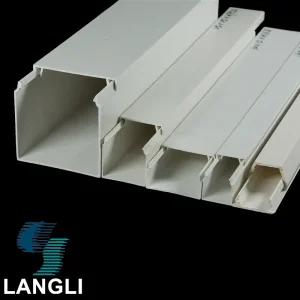
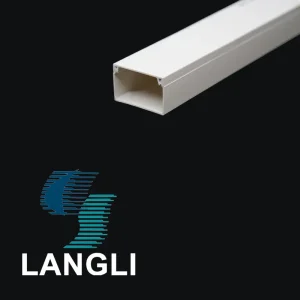
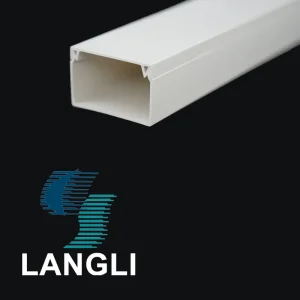
Modular, snap-on PVC mini-trunking and wireways simplify surface-mounted cabling in office partition walls, residential renovations, and server rooms.
Key considerations for procurement directors, distributors, and specifiers managing high-volume international sourcing programs.
Procuring electrical raceways for international distribution or large infrastructure tenders requires evaluating far more than base unit pricing. Unusable shipment lots resulting from socket tolerance mismatches, brittleness in cold weather, or failure during third-party site audits can ruin project profitability. When selecting a custom PVC conduit supplier and factory, major buyers evaluate five critical operational criteria:
Emerging regulatory standards and technological breakthroughs driving the next generation of polymer conduit manufacturing.
Evolving fire safety codes in underground rail systems and high-density commercial spaces are accelerating the development of modified bio-based and halogen-free polymer conduits that emit minimal smoke and zero corrosive gases under fire exposure.
Advanced multi-layer co-extrusion technology integrates a smooth low-friction inner layer to minimize cable pulling resistance with an outer UV-shielded layer designed for high exterior weatherability.
Leading factories are incorporating Post-Consumer Recycled (PCR) technical polymers into non-critical raceway cores, meeting strict LEED green building criteria without compromising overall mechanical impact properties.
Clear answers to key technical, sourcing, and commercial questions provided by our engineering export desk.
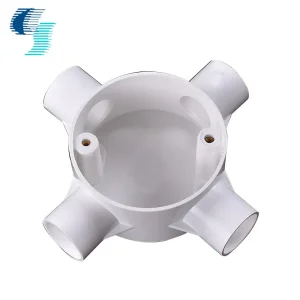
Complete your installation framework with our tested selection of electrical boxes, junction fittings, and flameproof trunking series.