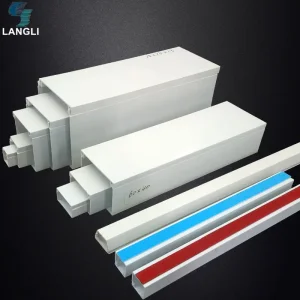
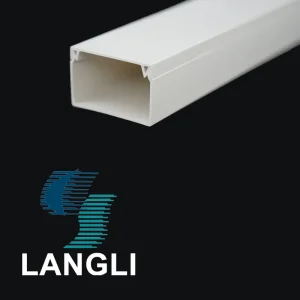
 LANGLI PVC Request a Catalog LANGLI PVC Request a Catalog
 Comprehensive Technical Analysis, Polymer Material Science, Global Market Standards (BS EN / IEC / ASTM), and Enterprise OEM/ODM Procurement Solutions for Electrical Infrastructure
Explore our factory-direct, high-impact PVC and polymer conduit profiles engineered for high-density commercial, residential, and industrial cable containment applications.
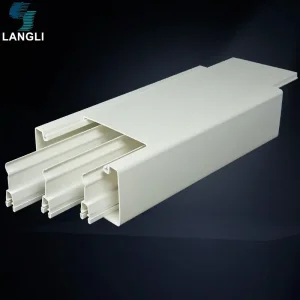
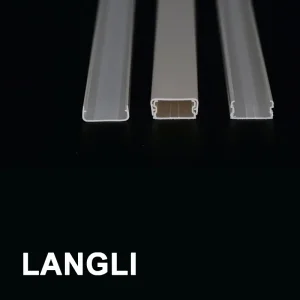
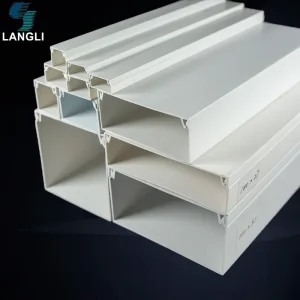
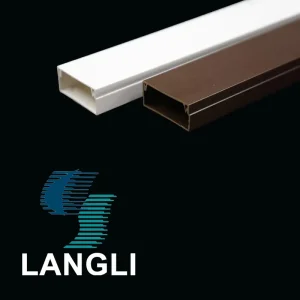
In modern electrical engineering, cable containment infrastructure serves as the primary barrier protecting structural wiring, high-speed telecommunications lines, and control circuits from mechanical stress, thermal degradation, chemical exposure, and environmental moisture. Within the global taxonomy of rigid and flexible containment systems, the 15mm conduit gauge (alongside its harmonized metric counterparts including 16mm outer-diameter systems per BS EN 61386) represents a vital dimension for targeted wire routing, high-density distribution panels, and compact industrial equipment wiring.
Selecting verified, high-performance 15mm conduit manufacturers & suppliers is a mission-critical purchasing decision for EPC (Engineering, Procurement, and Construction) contractors, OEM equipment builders, and global electrical wholesalers. Substandard conduits suffering from irregular wall thickness, micro-fractures, poor flame resistance, or inconsistent socket tolerances introduce unacceptable risks on jobsites—leading to costly installation delays, elevated fire propagation risks, and premature infrastructure failure.
This comprehensive whitepaper outlines the structural parameters, chemical formulations, international regulatory frameworks, and global supply chain dynamics defining high-quality 15mm conduit manufacturing. By evaluating resin purity, flame-retardant additives, automated extrusion practices, and stringent quality assurance protocols, enterprise buyers can establish clear technical benchmarks for bulk procurement.
The global market for electrical conduit systems is experiencing significant structural expansion, driven by mega-trends in rapid urbanization, industrial automation, data center construction, and public transit expansion. The specific demand for 15mm and 16mm conduit systems spans distinct regional markets:
Guided by BS EN 61386 / BS 4607 specifications, standard metric sizing utilizes 16mm and 20mm outer dimensions. 15mm nominal conduits are widely specified in specialized machinery containment, compact wiring trunks, and European interior retrofits demanding ultra-slim profiles without compromising mechanical crush strength.
While imperial 1/2" (approx. 12.7mm inner diameter) trade sizes dominate mainstream residential construction under NEMA / UL 651 standards, metric 15mm and 16mm conduit profiles are increasingly required by machinery manufacturers exporting equipment to Latin America and global industrial hubs.
Accelerated construction across Gulf Cooperation Council (GCC) nations and Southeast Asian megacities has generated massive demand for self-extinguishing PVC conduits. High-density residential towers require heavy-gauge 15mm/16mm conduit systems for concealed concrete slab pouring and exposed surface cabling.
The performance of high-grade 15mm conduits depends fundamental on polymer compound integrity. Premium manufacturers utilize virgin Unplasticized Polyvinyl Chloride (PVC-U) blended with proprietary heat stabilizers, impact modifiers, and flame-retardant chemistry. This guarantees optimal tensile strength, impact absorption, and dielectric breakdown resistance.
| Performance Parameter | Standard Testing Benchmark | High-Quality Target Threshold | Engineering Benefit |
|---|---|---|---|
| Raw Material Matrix | ISO 1163 PVC-U Specification | 100% Virgin High-K PVC Resin | Eliminates micro-cracks, guarantees uniform wall strength |
| Compressive Strength | IEC 61386-21 Compression Test | Medium (750 N / 5cm) to Heavy (1250 N / 5cm) | Resists crushing under direct concrete pouring |
| Impact Resistance | EN 61386-1 Low Temperature Impact | 2.0 Joules at -15°C / 5.0 Joules at +25°C | Prevents fracture during cold-weather site handling |
| Flammability Rating | UL 94 Vertical Burning Test | UL 94 V-0 (Self-Extinguishing < 10s) | Prevents flame propagation during electrical faults |
| Glow-Wire Flammability | IEC 60695-2-11 Test Method | 960°C Resistance | Meets extreme fire safety criteria for public buildings |
| Dielectric Strength | IEC 60243-1 Electrical Insulation | > 25 kV / mm Wall Thickness | Prevents arcing and electrical short leakage |
| Thermal Expansion | ASTM D696 Co-efficient Test | 0.06 - 0.08 mm / m·°C | Maintains structural integrity across thermal cycles |
Industrial 15mm conduits engineered from premium PVC-U exhibit exceptional chemical resistance against harsh environmental agents. They are completely immune to electrochemical corrosion, resistant to aggressive soil acids, dilute alkaline solutions, aliphatic hydrocarbons, and mineral oils, making them suitable for subterranean and industrial chemical plant installations.
The manufacturing landscape for 15mm conduit systems is shifting rapidly due to evolving building codes, safety imperatives, and manufacturing automation. Leading manufacturers are adopting several key innovations:
Traditional PVC releases hydrogen chloride gas during combustion. Modern public infrastructure tenders (airports, subways, hospitals) increasingly mandate Low Smoke Zero Halogen (LSZH) polypropylene or specialized halogen-free thermoplastic conduits to protect human life from toxic fumes during fire events.
Leading suppliers are incorporating closed-loop co-extrusion technologies. By utilizing high-purity post-industrial recycled core layers encapsulated within virgin outer resin shells, manufacturers reduce carbon footprints by up to 35% while maintaining compliance with rigid physical performance standards.
Top-tier factories have deployed multi-axis laser measuring systems along automated extrusion lines. These sensors continuously monitor conduit outer diameter and wall concentricity at 1,000 scans per second, instantly rejecting off-spec products and keeping socket fitting tolerances within ±0.05mm.
15mm conduit profiles and matched accessories serve specialized roles across various structural, mechanical, and commercial environments:
Modern hyper-scale data centers utilize 15mm flame-retardant rigid conduits to route fiber-optic patch cables and low-voltage monitoring wires directly into server cabinets. The smooth internal bore prevents micro-scratches on delicate jackets during cable pulls.
Automated production machinery, CNC routers, and robotic cells require heavy-gauge flexible or semi-rigid 15mm conduits to shield sensor wires, stepper motor control circuits, and hydraulic telemetry from oil splashes, flying metal chips, and intense electromagnetic interference (EMI).
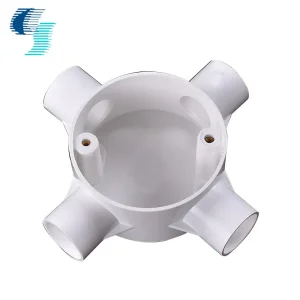
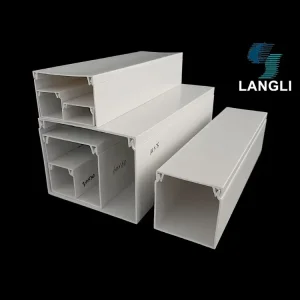
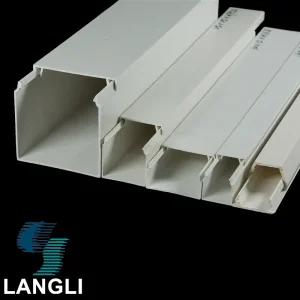
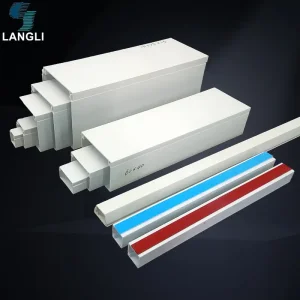
In office towers and retail complexes, 15mm mini-trunking and rigid conduit paths are deployed above suspended ceilings and inside drywall partitions. Quick-fit elbows, circular junction boxes, and push-fit adapters speed up installation labor significantly.
As smart building technologies evolve, conduit systems are transitioning from passive physical housings into integrated infrastructure components. The following technology roadmap highlights key developments expected over the coming decade:
Integration of multi-walled carbon nanotubes and nanoclay additives into standard PVC compounds to increase tensile strength by 40% while reducing total wall thickness—delivering lightweight, ultra-tough 15mm conduits.
Co-extrusion of micro-thermochromic outer indicator strips that change color visually if internal power cables overheat beyond safe operating thresholds (e.g., above 75°C), allowing facility managers to identify electrical overloading before insulation breaks down.
Transition from fossil-derived vinyl monomer sources toward 100% bio-attributed resins synthesized from agricultural waste products, backed by ISCC PLUS certification, enabling net-zero carbon building projects.
To maintain project timelines and pass stringent jobsite inspections, B2B procurement heads and electrical contractors must partner with trusted manufacturers who offer end-to-end quality assurance. A comprehensive sourcing protocol includes the following key checkpoints:
Always demand original Mill Test Certificates (MTC) and REACH/RoHS compliance reports verifying that raw resin compounds are free from hazardous heavy metals (lead, cadmium, mercury) and phthalate plasticizers.
Ensure the factory conducts drop-weight impact testing at low temperatures (-15°C) and 180° cold-bending tests using internal springs. Conduits should bend smoothly without whitening, cracking, or collapsing.
High-volume suppliers should provide optimized loading plans mixing light-gauge trunking with heavy conduit pipes and boxed junction fittings, maximizing 40ft High Cube container volumetric efficiency to reduce per-unit shipping costs.
Get direct answers from our engineering and export desk on common procurement, installation, and technical questions.
In international metric standardization (such as BS EN 61386), "16mm" refers to the standardized outer diameter (OD) of nominal rigid conduit pipes. "15mm" is frequently used colloquially or as an internal nominal reference for compact trunking channels or imperial-to-metric crossover profiles. High-quality 15mm/16mm conduit fittings are engineered with precision sockets to fit these pipes seamlessly without mechanical slop.
High-grade PVC-U conduits manufactured with UL 94 V-0 compliant additives are self-extinguishing. When exposed to an open flame, the material carbonizes to block oxygen flow. Upon removal of the flame source, combustion stops within 10 seconds without producing flaming drips, preventing fire from spreading along electrical cable raceways.
Standard PVC degraded under prolonged solar UV radiation, leading to discoloration and brittleness. However, premium manufacturers blend titanium dioxide (TiO2) and specialized UV stabilizers into outdoor-rated conduit compounds. These UV-resistant conduits withstand intense sunlight exposure without losing impact strength or color integrity.
Equipped with 900+ sets of in-house tooling moulds and automated laser marking systems, our factory offers custom brand inkjet/laser printing directly onto conduit walls, custom masterbatch color matching (white, ivory, grey, black), and custom-printed export cartons complete with buyer logos and barcodes.
For standard stocked product profiles, the practical MOQ is one mixed 20ft container, allowing buyers to combine fast-moving trunking, rigid pipes, and boxed fittings. Production lead time for standard full-container orders is typically 15 to 25 days following deposit confirmation.
Review additional core catalogue offerings, including trunking accessories, junction adaptors, and high-durability electrical wire ducts.
Accelerate your procurement pipeline. Request comprehensive product engineering catalogues, CAD dimension drawings, free factory sample packs, or a custom container freight quotation within 24 business hours.
Request Engineering Catalogue & B2B Quote