 LANGLI PVC Request a Catalog LANGLI PVC Request a Catalog
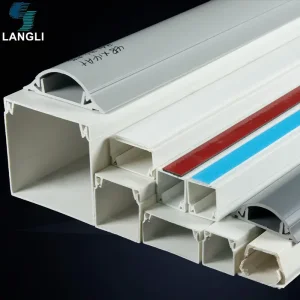
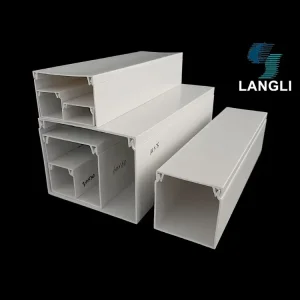
 Explore our certified polymer and UPVC cable containment solutions engineered for rapid deployment, high mechanical stress tolerance, and non-corrosive performance across commercial and industrial infrastructure projects.
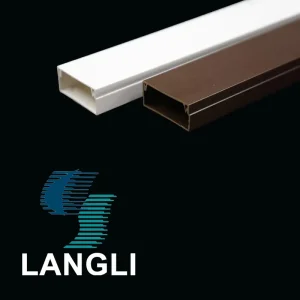
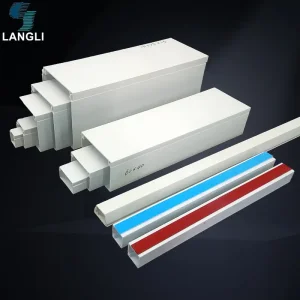
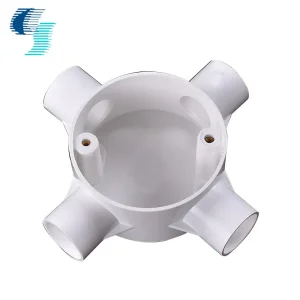
In modern electrical engineering, the Conduit Pull Box serves as a critical junction, facilitating cable pulling over long distribution runs, supporting complex wire splicing, and maintaining structural compliance under NEC (National Electrical Code) and IEC (International Electrotechnical Commission) guidelines. As global electrification accelerates—driven by hyperscale data centers, utility-scale solar farms, smart manufacturing plants, and high-density urban infrastructure—the global pull box market is undergoing a structural transition toward modular, non-metallic, high-impact polymer enclosures.
Historically dominated by heavy cast iron and sheet steel enclosures, contemporary installations are rapidly transitioning to advanced rigid UPVC and polycarbonate compounds. This technological shift is driven by three macro economic factors:
Metallic boxes installed in coastal, chemical, or sub-grade environments suffer severe galvanic and atmospheric oxidation, leading to ground faults and costly downtime. Advanced UPVC pull boxes eliminate chemical oxidation entirely, delivering an operational lifespan exceeding 50 years with zero maintenance overhead.
Non-conductive polymer construction provides secondary insulation, reducing the risk of indirect contact electric shock and preventing single-phase-to-ground fault escalation during insulation degradation in dense power wiring channels.
Weighing up to 70% less than equivalent metallic counterparts, polymer conduit pull boxes drastically reduce freight costs per unit, decrease field labor installation hours, and remove the necessity for field-grounding bonding jumpers inside the box enclosure.
The structural integrity of a pull box depends on its resistance to tensile strain, sidewall pressure during wire pulling operations, thermal expansion coefficients, and flame self-extinguishment. Leading factories like Foshan Shunde Langli Hardware Electrical PVC Co., Ltd. leverage custom modified Unplasticized Polyvinyl Chloride (UPVC) compounds optimized through precision twin-screw extrusion and high-pressure injection moulding.
| Material Parameter | Standard Rigid Metal Box | Standard Recycled PVC | Langli Premium Engineered UPVC |
|---|---|---|---|
| Tensile Strength (MPa) | 200 - 350 (Steel) | 22 - 30 | ≥ 48.5 (ASTM D638) |
| Flame Retardancy Rating | Non-combustible | HB / V-2 | UL 94 V-0 (Self-extinguishing < 5s) |
| Dielectric Strength (kV/mm) | 0 (Conductor) | 12 - 15 | ≥ 25.0 (IEC 60243) |
| Cold Impact Strength (J/m) | N/A | < 30 | > 110 at -15°C (ISO 179) |
| IP Ingress Protection Rating | IP20 - IP44 typical | IP54 | Up to IP66 with Gasket Seal |
According to NEC Article 314 standards and international engineering practices, pull boxes must be sized dynamically based on conduit diameter and conductor routing direction. For straight pulls, the length of the box must not be less than 8 times the trade diameter of the largest raceway. For angle or U-pulls, the distance between each raceway entry and the opposite wall must equal at least 6 times the trade diameter plus the sum of diameters of all other entries on the same wall.
When pulling multi-conductor power feeders through a pull box, side-wall pressure ($P_s$) exerted on the internal radius curves of the box knockout ports must be calculated using Troitsky’s Equation:
The next decade of electrical containment will be dictated by digitized manufacturing, zero-carbon resin compounds, smart sensor integration, and extreme weather resilience. As primary pull box factories modernize, three major technological trajectories are emerging:
Integration of micro thermal sensors and moisture detection transponders within critical infrastructure pull boxes. Communicating via wireless LoRaWAN, these sensors provide early warnings for phase overload heat spikes and subterranean water ingress before insulator failure occurs.
Transitioning from petroleum-derived polymers to ISCC PLUS certified bio-attributed UPVC resins. Utilizing tall oil bio-feedstocks, these next-generation boxes reduce embodied carbon emissions by up to 65% while maintaining identical physical mechanical performance.
Multi-stage stepped rubber membrane knockouts and precision dual-thread entry points that accommodate imperial (NPT) and metric (ISO) threaded glands dynamically, eliminating the need for field drilling step bits on job sites.
Conduit pull boxes function across distinct structural, ambient, and regulatory environments. Understanding these localized engineering demands ensures correct material specification during project design phases.
High-density fiber optic and main power distribution pathways require non-magnetic pull boxes to prevent electromagnetic hysteresis losses. Flame-retardant UPVC boxes with V-0 rating prevent flame propagation along cable trays in overhead plenum spaces.
Solar farms subject equipment to intense UV radiation and temperature fluctuations from -30°C to +70°C. Langli’s high-UV titanium dioxide stabilized compounds prevent micro-cracking and yellowing under continuous solar irradiance.
Exposure to hydrogen sulfide ($H_2S$), chlorine fumes, and acid mist rapidly destroys galvanized steel enclosures. IP66-rated UPVC pull boxes provide total chemical inertness, extending plant operational lifespans dramatically.
Surface-mounted branch wiring in residential, hotel, and commercial office developments demands sleek aesthetics, customizable paintable finishes, and fast snap-on lid mechanisms to minimize drywall installation times.
Engineering Procurement Construction (EPC) firms, electrical wholesalers, and OEM brand owners require factory partners capable of offering end-to-end supply chain integration. Partnering directly with a established manufacturer provides critical competitive advantages:
With 900+ sets of active internal moulds and a dedicated tool room, direct OEM tooling for custom box dimensions, logo embossing, and specialized knockouts can be completed within 30 to 45 days from CAD approval.
Mix conduit pipes, trunking profiles, circular junction boxes, and pull boxes into unified container shipments. This strategy maximizes CBM volume utilization, drastically lowers landed unit costs, and simplifies inventory control.
Full laboratory documentation provided with every shipment—including CE conformity certification, RoHS hazardous substance reports, glow-wire fire safety compliance, and physical impact test logs.
Detailed responses from our engineering design team regarding standards, chemical resistance, OEM capabilities, and shipping logistics.
Browse additional high-demand cable management components, mini-trunking profiles, and customizable wiring accessories engineered for factory-direct wholesale deployment.