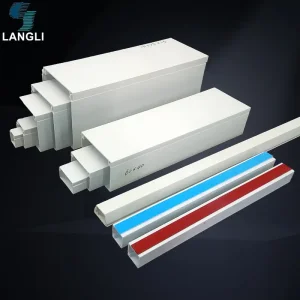
 LANGLI PVC Request a Catalog LANGLI PVC Request a Catalog
 Precision-moulded, flame-retardant, and impact-resistant conduit accessories compliant with international engineering standards.
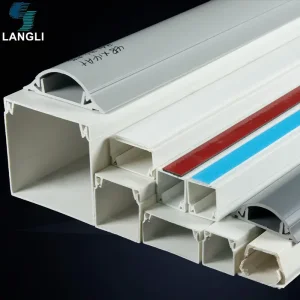
Unplasticized Polyvinyl Chloride (uPVC) bends represent the critical arterial infrastructure of modern commercial, residential, and industrial electrical wiring systems worldwide.
Formulated with self-extinguishing additive packages, high-quality uPVC bends cease burning within seconds of ignition source removal. Compliant with glow-wire thermal safety tests reaching up to 960°C.
Provides superior electrical insulation exceeding 25 kV/mm, protecting delicate telecom, fiber optic, and power transmission lines against electrical breakdown and insulation punch-through.
Controlled glass transition temperature (Tg > 80°C) prevents sagging, warping, or socket distortion across severe ambient temperature fluctuations during transport and installation.
Understanding regional regulatory frameworks and adoption trends for uPVC bends and cable routing systems.
Driven by rapid mega-infrastructure projects, local building codes mandate strict adherence to BS 4607 and BS EN 61386 standards. High ambient temperatures necessitate heavy-gauge uPVC bends engineered with specialized heat stabilizers to maintain structural wall integrity under intense UV exposure.
Focuses heavily on chemical compliance under RoHS and REACH directives. Suppliers must supply lead-free, Calcium-Zinc (Ca-Zn) stabilized uPVC bends. Low Smoke Zero Halogen (LSZH) alternatives are rapidly gaining traction in public transportation hubs and commercial high-rises.
Demand is anchored by NEMA and ASTM specifications (e.g., Schedule 40 & Schedule 80 PVC conduits). Key procurement drivers include solvent-weld socket depth accuracy, impact resistance during low-temperature field installation, and high volume OEM carton packaging.
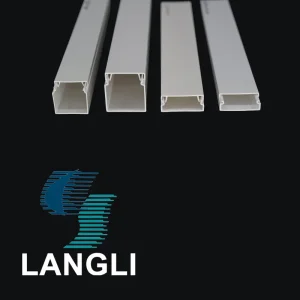
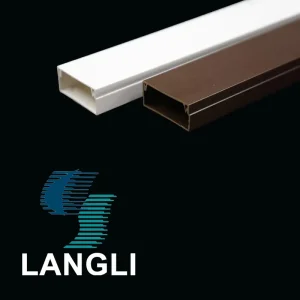
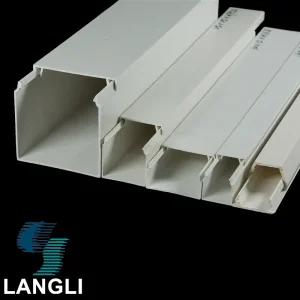
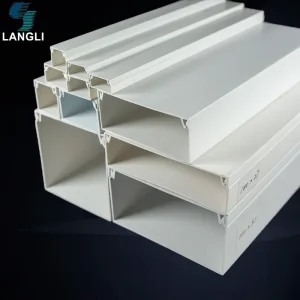
Extremely price-sensitive yet quality-focused growth markets requiring multi-standard compatibility. Contractors prioritize full size range availability (16mm to 50mm bends and 10x10 to 200x100mm trunking) from a single factory source to streamline container logistics.
A detailed comparison of standard vs. heavy-duty uPVC bends manufactured in certified production facilities.
| Conduit Outer Diameter | Wall Thickness Range | Bending Radius (Min) | Impact Class (BS EN 61386) | Socket Depth Tolerance | Primary Application |
|---|---|---|---|---|---|
| 16 mm / 20 mm | 1.2 mm - 1.8 mm | ≥ 4 x Conduit OD | Medium (Class 3) | ±0.05 mm | Residential Branch Wiring & Lighting Loops |
| 25 mm / 32 mm | 1.8 mm - 2.4 mm | ≥ 4 x Conduit OD | Heavy (Class 4) | ±0.05 mm | Commercial Risers & Sub-Main Cables |
| 40 mm / 50 mm | 2.4 mm - 3.2 mm | ≥ 5 x Conduit OD | Very Heavy (Class 5) | ±0.08 mm | Industrial Feeder Ducts & Underground Feeds |
| Custom Imperial (1/2" - 2") | ASTM Sch 40 / Sch 80 | Per ASTM D1784 | NEMA TC-2 Compliant | ±0.002 inch | North/South American Project Tenders |
Utilizing 32 high-tonnage automated injection moulding machines, uPVC bends are formed under optimized pressure profiles to guarantee smooth internal bores. Smooth internal surfaces minimize cable friction coefficients, drastically reducing wire-snagging during pulling operations.
Phase-out of legacy lead stabilizers in favor of advanced Calcium-Zinc (Ca-Zn) thermal stabilizers. This guarantees full compliance with green building standards (LEED, BREEAM) while maintaining tensile strength above 45 MPa.
Engineered cable routing solutions tailored for high-demanding modern architecture and infrastructure projects.
Concealed concrete slab pouring demands bends with maximum crush load capacity. Heavy-duty 20mm and 25mm 90° sweep bends prevent concrete slurry intrusion through precision solvent-weld sockets while enduring heavy foot traffic and concrete vibrator forces.
Outdoor UV-stabilized orange and black uPVC bends resist photo-degradation caused by intense solar radiation. Used extensively to protect critical fiber-optic interconnects and DC power strings in utility-scale renewable energy installations.
Unlike metallic conduit fittings that suffer from galvanic corrosion and rust in saline or acid-laden environments, uPVC bends exhibit near-total chemical inertness to alkalis, acids, and atmospheric moisture.
How leading electrical wholesalers and MEP contractors evaluate factory capabilities before issuing purchasing orders.
Ensure your supplier uses 100% virgin uPVC compound rather than recycled scrap material. Virgin resin guarantees consistent tensile strength, uniform wall color, and predictable performance under impact testing.
Factories operating their own mould maintenance shops (with 900+ existing mould sets) can quickly adjust socket tolerances, perform custom branding insertion, and maintain strict quality consistency across decades of manufacturing.
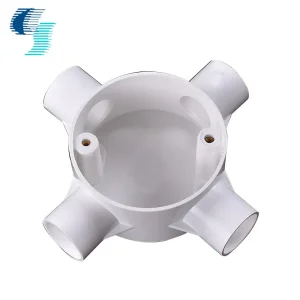
Optimizing logistics costs is vital. Advanced factories offer mixed-container consolidation (bundling rigid conduits, uPVC bends, junction boxes, and trunking in a single shipping container) to maximize volumetric efficiency.
Expert responses covering standards, custom tooling, performance specifications, and logistics options.
While field technicians can cold-bend small diameter light-gauge conduit using bending springs, pre-moulded factory uPVC bends offer precise wall thickness, consistent 90° or 45° angles, integrated solvent sockets, and zero internal structural stress. For commercial installations and heavy-gauge conduits (≥25mm), pre-moulded bends are mandatory under major international building codes to avoid severe ovality and cross-sectional collapse.
The most common international standard is BS EN 61386-21 (Conduit systems for cable management - Particular requirements for rigid conduit systems). In British standard regions, BS 4607 applies. For European markets, DIN 49016 is widely referenced, whereas American standards follow NEMA TC-2 and UL 651 specifications. Leading factories manufacture tooling matching all these distinct standard categories.
Yes. Professional OEM/ODM factories can engrave brand logos, size markings, and compliance standard codes directly into the injection mould cavities. Furthermore, masterbatch colors can be adjusted to match exact project requirements—including standard white, high-visibility orange, dark grey, black, or ivory.
Socket tolerances are measured using calibrated plug gauges to verify entry diameter, socket depth, and taper angle. A proper interference fit ensures that when uPVC solvent cement is applied, solvent welding creates a monolithic chemical bond capable of withstanding internal water pressure up to 15 bar and high shear tension.
Standard inventory SKUs can ship within 15–20 days after order confirmation. For customized color batches or private-label outer carton printing, production lead times average 25–30 days. Practical Minimum Order Quantities (MOQ) typically start from 20 cartons per individual SKU, or mixed 20ft container consignments for full-range orders.
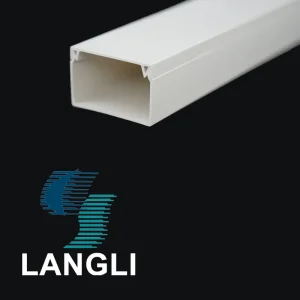
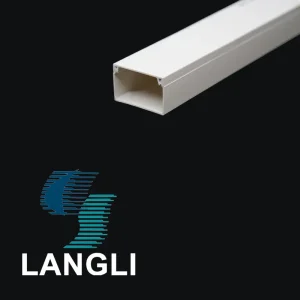
Explore our full line of wholesale PVC trunking, junction boxes, and custom fitting solutions.
Partner directly with Foshan's premier uPVC bend and electrical conduit manufacturer. Get factory-direct pricing, customized sample kits, and full tender documentation support.