 LANGLI PVC Request a Catalog LANGLI PVC Request a Catalog
 Direct factory product inventory manufactured to rigorous BS EN 61386, IEC 61386, and UL 651 global electrical protection standards.
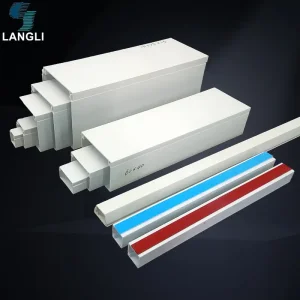
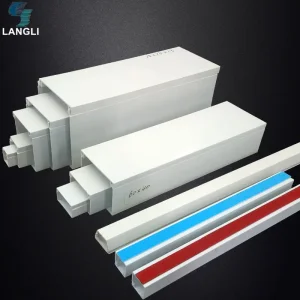
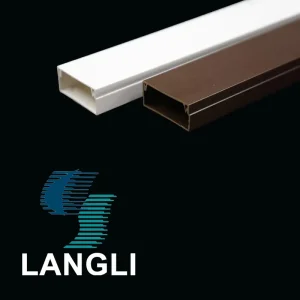
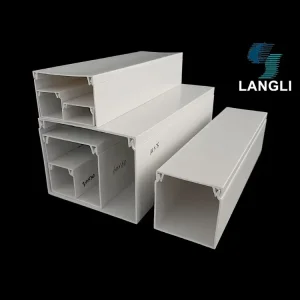
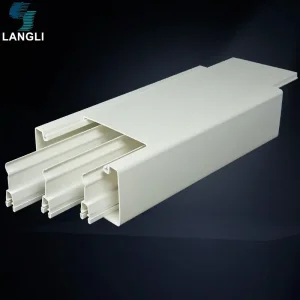
Analyzing global infrastructure demand, dielectric insulation standards, and material physics in modern cable management environments.
In contemporary electrical engineering, the 20mm nominal diameter rigid PVC conduit represents the global golden standard for electrical wire enclosure and mechanical containment. Designed primarily for low and medium-voltage electrical circuits in commercial, industrial, and residential structural frameworks, the 20mm outer dimension provides the ideal ratio of spatial footprint to internal volumetric capacity, accommodating standard 1.5mm² to 4.0mm² copper conductors with minimal friction coefficients during wire pull-through operations.
Original Design Manufacturing (ODM) in the realm of 20mm PVC conduits requires far more than basic plastic extrusion. It demands rigorous scientific formulation of high-molecular-weight Unplasticized Polyvinyl Chloride (UPVC) resin blended with microscopic thermal stabilizers, impact modifiers, processing aids, and specialized fire-suppressant agents. As global building codes transition toward zero-hazard electrical safety mandates, leading Chinese ODM manufacturers have elevated 20mm PVC conduit engineering into a precision discipline capable of surviving extreme mechanical shocks, chemical exposure, thermal fluctuations, and seismic vibrations.
Why leading global electrical brands, EPC contractors, and distributors rely on Foshan/Shunde plastic extrusion hubs.
Chinese ODM facilities utilize fully automated continuous gravimetric dosing systems. Raw UPVC K-value 67 resin is blended with high-purity organotin or non-toxic Calcium-Zinc (Ca-Zn) thermal stabilizers, yielding superior tensile strength and anti-aging properties without heavy metal contamination.
Advanced dual and quad-strand extrusion lines equipped with ultrasonic wall-thickness monitors maintain strict outside diameter tolerances (+0.0 / -0.3mm) for 20mm conduits at line speeds exceeding 25 meters per minute, guaranteeing perfect socket-fitting integration.
With hundreds of precision mold bases and CNC machining centers on site, Chinese ODM factories reduce tooling lead times for custom conduit wall profiles, specialized belled ends, or bespoke junction fittings from months to mere weeks.
The concentration of raw material suppliers, machinery manufacturers, and testing laboratories in Guangdong province creates an unmatched industrial ecosystem. Overseas purchasing managers gain access to economies of scale that significantly lower per-meter manufacturing costs while preserving compliance with international certification standards including CE, RoHS, REACH, and ISO 9001:2015.
Comparative dimensional, electrical, and physical property specifications for light, medium, and heavy-duty 20mm UPVC conduit classes.
| Property Parameter | Light Duty (20mm) | Medium Duty (20mm) | Heavy Duty (20mm) | International Standard Test Method |
|---|---|---|---|---|
| Outside Diameter (O.D.) | 20.0mm (+0.0 / -0.3mm) | 20.0mm (+0.0 / -0.3mm) | 20.0mm (+0.0 / -0.3mm) | BS EN 61386-21 / IEC 61386 |
| Nominal Wall Thickness | 1.15mm (±0.10) | 1.45mm (±0.10) | 1.80mm (±0.10) | ISO 3126 Measurement standard |
| Compression Resistance | 320 N / 5cm | 750 N / 5cm | 1250 N / 5cm | BS EN 61386 Clause 10.2 |
| Impact Resistance | 1.0 Joules (-5°C) | 2.0 Joules (-15°C) | 6.0 Joules (-25°C) | BS EN 61386 Clause 10.3 |
| Dielectric Resistance | > 2,000V at 50Hz (15 min) | > 2,000V at 50Hz (15 min) | > 2,000V at 50Hz (15 min) | IEC 60243-1 Electrical Strength |
| Flammability Class | UL94 V-0 / Self-extinguish | UL94 V-0 / Self-extinguish | UL94 V-0 / Self-extinguish | ASTM D635 / UL 94 Standard |
| Cold Bending Ability | Manual spring bend > 90° | Manual spring bend > 180° | Mechanical spring bend 180° | BS 4607 Part 2 Flexibility |
How evolving environmental legislation, high-density urbanization, and safety protocols are reshaping 20mm PVC conduit manufacturing.
Modern architectural specifiers increasingly penalize traditional PVC due to halogenated hydrogen chloride gas emission during thermal breakdown. Next-generation ODM factories have introduced advanced modified UPVC and PP/PE blend conduits that retain strict flammability resistance while reducing smoke optical density by over 60% and eliminating toxic halogen gas release, meeting EN 50642 and IEC 60754 standards for high-occupancy public infrastructure like subways and hospitals.
For outdoor installations, standard rigid PVC undergoes photo-degradation caused by ultraviolet radiation, leading to polymer embrittlement and surface discoloration. Advanced ODM processes integrate nanoscale Titanium Dioxide (TiO₂) light stabilizers and hindered amine light stabilizers (HALS). This technical enhancement allows 20mm exterior conduits to withstand over 5,000 hours of continuous QUV accelerated weathering testing without losing mechanical impact properties.
Field labor efficiency is directly governed by pipe ductility. Traditional conduits require heat torches or thermal blankets to create 90-degree sweeps. High-grade ODM 20mm conduits incorporate tailored acrylic impact modifiers that enable electricians to execute cold bends up to 180 degrees using an internal bending spring without wall collapse, fracturing, or stress whitening—even at sub-zero ambient temperatures (-15°C).
To optimize raw material efficiency, premier Chinese manufacturers utilize co-extrusion (Co-Ex) die heads. This allows a 3-layer conduit cross-section: an inner layer optimized with ultra-smooth anti-friction slip additives for fast wire pulling, a core layer made of reinforced recycled compound, and a virgin UV-resistant outer shell. Industry 4.0 IoT sensors continually audit wall consistency in real time, virtually eliminating factory defects.
Deploying heavy-duty and medium-duty 20mm PVC conduit systems across diverse global environmental conditions.
During concrete pouring, conduits buried inside floor slabs are subjected to extreme static pressure and dynamic impact from vibrator poker heads. Heavy-duty 20mm PVC conduits rated at 1250N compression strength prevent pipe deformation, ensuring unhindered conductor pulling during secondary electrical fitting stages.
Metallic conduits like EMT or IMC suffer rapid atmospheric corrosion when exposed to saline air or aggressive airborne acids. Rigid UPVC is completely immune to galvanic corrosion, rust, and chemical degradation from acids, alkalis, and salts, making 20mm PVC conduit the preferred spec in coastal facilities and wastewater treatment plants.
Connecting solar string inverters to junction boxes requires UV-stabilized exterior conduit routing. Anti-UV 20mm heavy-gauge conduits prevent wire insulation breakdown caused by direct sunlight exposure and rain ingress, maintaining an IP65 moisture barrier when paired with solvent-welded accessories.
A structured 5-step operational framework designed for international wholesalers, brand owners, and EPC procurement leads.
Engineering consultation defining standard alignment (BS/DIN/ASTM), target outside diameter, wall thickness, color pantone (e.g., Signal White RAL 9003 or Jet Black), and mechanical load classes.
Extrusion die calibration and batch resin mixing. Custom surface marking, including continuous laser printing of buyer logo, standard code, meter marks, and batch traceability numbers.
Batch testing including flattening tests (compressing conduit to 50% diameter without cracking), impact drop tests at -15°C, thermal resistance Vicat testing, and dielectric breakdown verification.
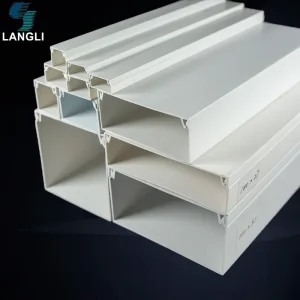
Conduits are bundled with protective PE wrapping or packed into heavy-duty master cartons. Strategic nesting of smaller conduits inside larger trunking channels maximizes container CBM utilization, lowering freight cost per unit.
Clear technical and commercial answers directly from our factory engineering export team.
System accessories designed for seamless socket alignment, structural rigidity, and accelerated field assembly.