 LANGLI PVC Request a Catalog LANGLI PVC Request a Catalog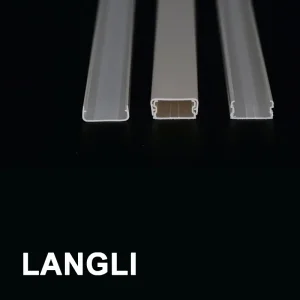
In contemporary electrical infrastructure, the pattress box (frequently designated as a surface-mount back box, wall box, or electrical enclosure) serves as the core physical junction connecting concealed or surface-routed conduit systems to modular switches, socket outlets, and digital data interface points. As global urbanization scales and regulatory building codes demand stringent fire-safety standards, the procurement landscape for pattress boxes has undergone a fundamental paradigm shift. B2B purchasers, MEP (Mechanical, Electrical, and Plumbing) contractors, and international distributors no longer evaluate these components purely on cost-per-unit metrics; operational evaluation now prioritizes material polymer science, structural integrity under high-torque assembly, and standardized thermal resistance profiles.
Historically constructed from cast iron or early-stage stamped sheet steel, legacy back boxes suffered from rapid oxidation, high capacitive leakage risks, and labor-intensive grounding overheads. The emergence of high-impact Unplasticized Polyvinyl Chloride (PVC-U) and flame-retardant engineered polymers transformed the global marketplace. Modern wholesale manufacturing leverages advanced injection-molding technology, incorporating brass-threaded brass inserts, precision-milled knockouts, and multi-gang internal modular tracks. This whitepaper analyzes the engineering topologies, international compliance frameworks, OEM production workflows, and future technology roadmaps driving elite pattress box manufacturing facilities.
Structural flex during high-impact screw torque leads to housing fractures, wall displacement, and unsafe terminal clearance. Commercial project buyers enforce strict wall thickness tolerances (minimum 2.0mm to 3.2mm depending on gang capacity) to withstand pneumatic installation tools without stress cracking.
A primary point of field failure in low-quality back boxes is thread stripping or complete pull-out of brass screw pillars. Premium OEM manufacturing utilizes deep-knurled brass pillars molded directly into the polymer matrix, resisting pull-out forces exceeding 120 Newton-meters.
Onsite labor costs escalate when cable knockout entry points require manually heavy trimming or fracture unpredictably into the main chamber. Precision die-cutting produces clean 20mm, 25mm, and 32mm conduit knockouts that snap smoothly under thumb pressure without degrading IP protection.
Pattress boxes form an indispensable element within holistic electrical containment architecture. Whether deployed in retrofitted commercial office complexes, residential developments, or extreme industrial environments, product selection must align with ambient climate parameters, chemical exposures, and localized installation standardizations.
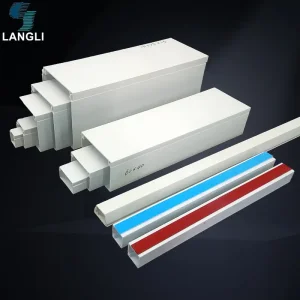
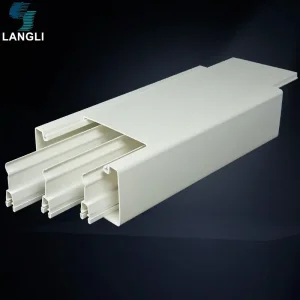
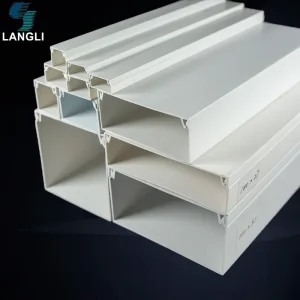
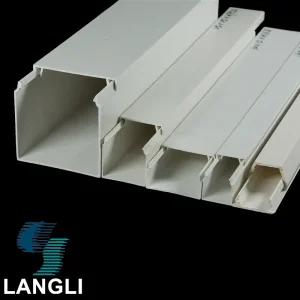
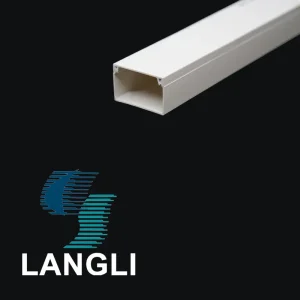
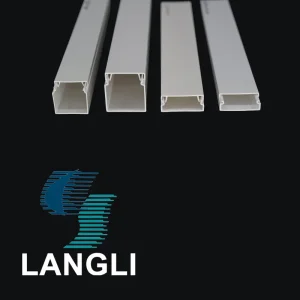
In modern commercial real estate and tech parks, surface-mounted wiring running through PVC mini-trunking or rigid conduit demands seamless interface compatibility. Factory-matched pattress boxes feature entry channels specifically designed to lock onto trunking profiles (e.g., 16x16mm, 25x16mm, 38x25mm), eliminating visual gaps and securing dust-tight isolation.
Key Requirement: High aesthetic white/ivory finish consistency matching European standard wiring devices, combined with anti-yellowing UV resistance.
For concealed installations embedded into concrete, brickwork, or plasterboard partitions, flush-mount back boxes require robust external ribs to anchor securely within mortar or drywall clamping lugs. Multi-gang configurations (1-gang, 2-gang, dual-gang connected patterns) enable complex audio-visual, data, and power distribution points inside a singular thermal envelope.
Key Requirement: Deep internal volume options (35mm to 47mm depth) to accommodate bulky smart-home relays, dimmer units, and fiber-optic termination bend radiuses.
| Specification Parameter | Standard Commercial Grade | Industrial Heavy-Duty Grade | Halogen-Free (LSZH) Fire Grade |
|---|---|---|---|
| Base Polymer Material | Unplasticized PVC (PVC-U) | Polycarbonate (PC) / ABS Blend | Flame-Retardant LSZH Compound |
| Flame Retardancy Standard | UL 94 V-2 / Glow Wire 650°C | UL 94 V-0 / Glow Wire 850°C | UL 94 V-0 / Glow Wire 960°C |
| Operative Temperature Range | -5°C to +60°C | -25°C to +85°C | -40°C to +105°C |
| Dielectric Strength | > 25 kV / mm | > 32 kV / mm | > 35 kV / mm |
| Brass Thread Insert Specification | M3.5 Solid Brass Insert | M3.5 Deep-Knurled Heavy Insert | M3.5 Anti-Corrosion Plated Brass |
| Compliance Standard | BS 4607 / BS 5733 | IEC 60670-1 / IEC 60670-22 | BS EN 61386-1 / RoHS / REACH |
To maintain competitive advantage in global wholesale supply chains, leading factories are moving beyond legacy manual compression molding toward fully automated, AI-monitored precision injection molding ecosystems. The implementation of advanced technology guarantees zero-defect batch production, minimal resin degradation, and maximum tensile endurance.
Raw PVC resin powder is micro-dosed with heat stabilizers, impact modifiers, and titanium dioxide pigments inside vacuum-sealed pneumatic conveyance systems. Automated desiccant dryers reduce raw material moisture content below 0.02%, preventing structural micro-voids during injection phases.
Using multi-cavity hot runner injection molds operating under clamping forces up to 450 metric tons, polymer melts are delivered evenly into the tool cavities. Real-time pressure transducers adjust injection speed to eliminate sink marks on switch box faces and prevent flash along knockout borders.
Six-axis articulated robots feed M3.5 brass bushings into hot tool core pins with sub-millimeter positioning accuracy prior to plastic shot injection. High-speed optical camera vision systems inspect 100% of finished pattress boxes for thread completeness, knockout wall thickness uniformities, and surface dimensional tolerances.
Manufacturing waste, runner channels, and off-spec components are immediately redirected into inline heavy-duty granulators. Reclaimed material is filtered and blended into secondary non-critical backing structures under strict quality ratios, supporting circular manufacturing and lowering environmental footprints.
Navigating international trade standards requires extensive expertise in regional electrical codes. A trusted pattress box factory provides complete documentation, testing reports, and custom OEM packaging tailored to specific destination markets across Europe, the Middle East, Southeast Asia, Africa, and the Americas.
Full compliance with BS 4607 (non-metallic conduits and fittings) and BS 5733 (general requirements for electrical accessories). Features standard 60.3mm fixing center distances for 1-gang boxes and 120.6mm center distances for 2-gang variants.
Certified against IEC 60670-1 (boxes and enclosures for electrical accessories for household installations). Verified under CE marking mandates and fully compliant with RoHS and REACH hazardous substance restrictions.
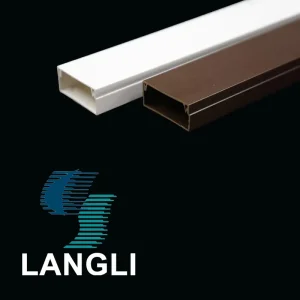
Comprehensive private-label manufacturing options including laser-engraved brand logos, custom Pantone color matching (white, ivory, grey, black, brown wood-grain), barcoded inner retail boxes, and optimized export master carton packing.
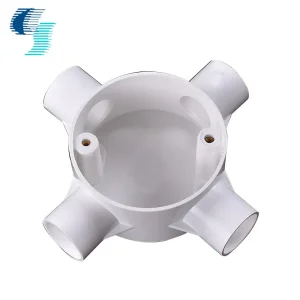
Direct factory engagement ensures competitive bulk pricing, rigorous quality assurance, custom tooling capability, and dependable shipping schedules for global distributors and large-scale project tenders.
Submit your project specifications or annual volume requirements to receive comprehensive dimensional drawings, carton packaging data, and FOB/CIF quotation breakdowns within 24 hours.
Contact Export Engineering Desk