 LANGLI PVC Request a Catalog LANGLI PVC Request a Catalog
 Direct factory production matching international standards including BS 4607, BS EN 61386, and DIN profiles.
An analysis of material transition, cost-benefit dynamics, and global infrastructure scaling.
The global electrical containment and wiring management market is undergoing a fundamental structural transition. For decades, metallic conduits—specifically Rigid Metal Conduit (RMC) and Electrical Metallic Tubing (EMT)—dominated high-spec commercial and industrial builds. However, macro-economic factors including raw material volatility, rising site labor costs, and severe atmospheric corrosion challenges have accelerated the widespread global adoption of Unplasticized Polyvinyl Chloride (PVC-U), Polypropylene (PP), and Low Smoke Zero Halogen (LSZH) plastic conduit systems.
Modern electrical engineering specifications prioritize long-term lifecycle value over initial material procurement costs. Rigid plastic conduits deliver superior Total Cost of Ownership (TCO) profiles through complete dielectric safety, intrinsic corrosion resistance, and a 60% reduction in installation time compared to threaded steel conduits. Furthermore, rapid urban expansion, massive global investments in hypersonic data centers, and renewable energy integrations (such as utility-scale solar PV plants and offshore wind farm substations) demand containment materials capable of surviving continuous chemical exposure, high moisture levels, and intense UV degradation.
When engineering large-scale distribution networks, engineering consultants and EPC contractors analyze structural integrity alongside environmental exposure profiles. Plastic conduit systems address four key macro-trends in modern construction:
High-density fiber optic and power distribution require electromagnetic neutrality and zero risk of burrs or metal shavings abrading sensitive cable jackets during high-speed wire pulling.
Underground direct-burial and elevated array cabling require specialized anti-UV, anti-corrosive plastic conduits designed to withstand intense heat cycling (-25°C to +75°C) without micro-cracking.
High-humidity, salt-laden marine air, and direct chemical splash environments make metallic conduits prone to rapid oxidation. Rigid PVC-U provides complete chemical resistance.
Engineering breakdown of virgin PVC-U, thermal stabilization, and mechanical classification under BS EN 61386-1.
Not all plastic conduits perform equally on the jobsite. The structural integrity, flame-retardant capability, and socket tolerance of plastic conduit systems depend directly on the formulation of the raw material compound and the injection/extrusion molding precision.
High-grade electrical plastic conduits utilize premium Unplasticized Polyvinyl Chloride (PVC-U) formulated with lead-free Calcium-Zinc (Ca/Zn) stabilizers, titanium dioxide (TiO2) UV inhibitors, and high-impact Chlorinated Polyethylene (CPE) modifiers. Lower-tier manufacturers often load compounds with excess calcium carbonate (CaCO3) filler to reduce production costs. While this lowers price, it creates extremely brittle conduits that shatter during cold-weather cutting, fail drop-weight impact testing, and warp under direct solar load.
To ensure structural safety across floor-slab casting, underground direct burial, or exposed wall mountings, plastic conduits are rigorously categorized by compression strength, impact resistance, and thermal operating limits:
| Duty Classification | Compression Force (N) | Impact Energy (J) | Temp Limits (°C) | Target Installation Scenario |
|---|---|---|---|---|
| Light Gauge (2-2-2-1) | 320 N / 5cm | 1.0 Joule (-5°C) | -5°C to +60°C | Surface wiring, suspended ceilings, light plaster chases. |
| Medium Gauge (3-3-2-1) | 750 N / 5cm | 2.0 Joules (-15°C) | -15°C to +60°C | Standard commercial slab casting, wall embedding, exposed indoor. |
| Heavy Gauge (4-4-2-1) | 1250 N / 5cm | 6.0 Joules (-25°C) | -25°C to +75°C | Direct concrete pouring, heavy industrial flooring, outdoor UV exposure. |
| Very Heavy Duty (5-5-2-1) | 4000 N / 5cm | 20.0 Joules (-25°C) | -25°C to +90°C | Underground heavy vehicle crossings, sub-station yards, extreme industrial. |
Fire safety is paramount in commercial and residential electrical design. High-quality PVC plastic conduit compounds feature intrinsic self-extinguishing properties due to their chlorine atom chemical backbone (~57% chlorine by weight). Key fire-test metrics include:
Integrate conduits, trunking, junction boxes, and accessories from a single high-precision factory.
Manufactured in metric outer diameters (16mm, 20mm, 25mm, 32mm, 40mm, 50mm) and imperial dimensions (1/2" to 2"). Available in smooth plain ends or integrated belled/socket ends for quick solvent-weld connection. UV-stabilized white, grey, and orange high-visibility solar variants.
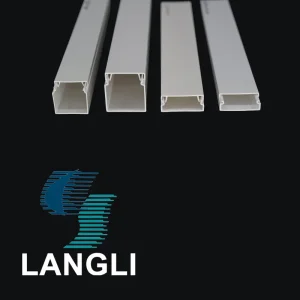
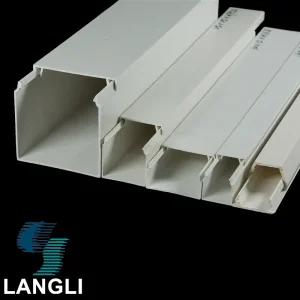
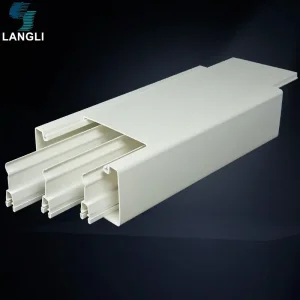
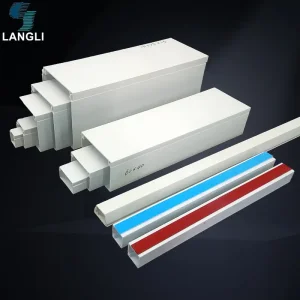
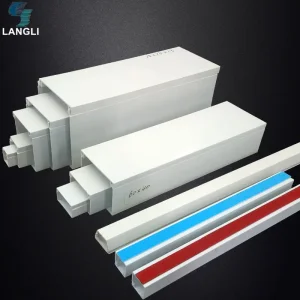
Full dimensional profile coverage from mini-trunking (10x10mm, 16x16mm, 25x16mm) up to heavy cable ducting (100x50mm, 150x100mm, 200x100mm). Features dynamic dual-locking snap-fit lids, pre-punched mounting base options, and high-tack acrylic adhesive backing tape for drill-free retrofitting.
Over 900 custom-tooled fitting molds including inspection elbows, plain couplers, expansion couplers, inspection tees, male/female threaded adaptors, conduit saddles, and bell mouths. Designed with precise socket tolerances to guarantee leak-tight, IP65 solvent-welded joints.
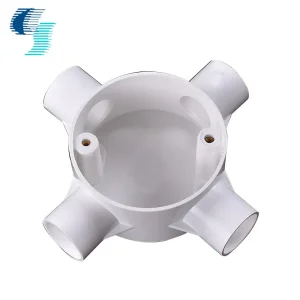
Circular 1-way through 4-way, deep, and loop-in junction boxes featuring brass threaded inserts for secure lid fastening. Flush-mount and surface-mount switch back boxes conforming to British Standard (BS 4662), European (86x86mm), and South American patterns with adjustable lug pillars.
Navigating import compliance, local electrical codes, and custom packaging across major continents.
Exporting electrical plastic containment products to over 60 countries demands deep regulatory expertise. Each regional market enforces strict local installation codes and customs clearance protocols. Factory compliance is fully validated through international certification testing:
Standard: BS 4607 / BS EN 61386 / SASO
Requires strict metric sizing (20/25/32mm), heavy-gauge impact resistance, and brass insert junction boxes capable of enduring desert ambient temperatures (>50°C).
Standard: CE Directive / EN 61386 / RoHS / REACH
Mandates complete freedom from heavy metal hazardous substances (lead, cadmium, polybrominated biphenyls) and explicit CE mark laser branding on every tube length.
Standard: ASTM D1785 / NEMA TC-2 / UL 651
Requires Schedule 40 and Schedule 80 PVC conduit dimensions, solvent-weld bell ends, and compliance with South American box dimensions and custom packaging.
Standard: IEC 61084 / GB/T 19001
Focuses on high-volume competitive mini-trunking, self-adhesive backing options, multi-gang switch boxes, and mixed-container shipment flexibility.
Innovation trends shaping polymer engineering, zero-carbon manufacturing, and smart infrastructure integration.
The plastic conduit industry is evolving rapidly to align with corporate ESG goals, circular economy directives, and smart building automation requirements. Key technological breakthroughs driving product innovation over the next decade include:
Leading manufacturers are incorporating up to 30% post-industrial bio-attributed PVC resin (derived from pine oil and waste tall oil) without sacrificing mechanical tensile or impact strength. Closed-loop scrap recycling systems in state-of-the-art extrusion plants ensure zero plastic waste reaches landfills during manufacturing setup cycles.
In high-density public infrastructure (underground railways, airport terminals, hospitals), standard PVC is increasingly replaced by Low Smoke Zero Halogen Polyolefin polymers. In a fire event, LSZH conduits release less than 0.5% acidic gas (hydrochloric acid) and maintain clear sightlines (light transmittance > 80%), drastically improving evacuation safety.
Triple-layer co-extrusion allows factories to engineer specialized multi-functional conduit walls: an inner ultra-smooth low-friction glide layer (reducing wire-pulling tension by 40%), a high-strength core layer, and an outer UV-resistant, color-coded identification layer for rapid circuit sorting during installation.
Direct answers for electrical wholesalers, EPC contractors, and procurement engineers.
High-impact, fireproof, and fully customizable options direct from our Foshan manufacturing plant.