 LANGLI PVC Request a Catalog LANGLI PVC Request a Catalog
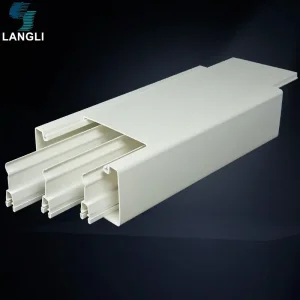
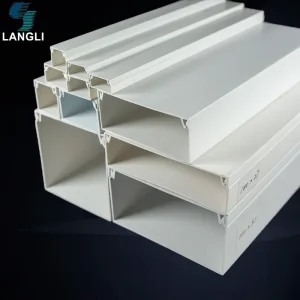
 Explore our top-tier export range of electrical switch boxes, trunking systems, and junction enclosures manufactured to international safety specifications.
In the rapidly modernizing global industrial sector, the electrical switch enclosure has evolved from a passive protective box into an active, critical component of power distribution infrastructure. Driven by the global push toward Industry 4.0, renewable energy integration, and smart urban electrification, modern facilities demand high-performance enclosures that offer unwavering dielectric stability, environmental ingress protection, and thermal resilience.
Modern switch enclosures—spanning rigid unplasticized polyvinyl chloride (PVC-U), polycarbonate, and high-impact engineered thermoplastics—serve as the first line of defense for low-voltage power networks, circuit breakers, and terminal connection nodes. With industrial automation expanding at an unprecedented compound annual growth rate (CAGR), electrical engineering specifiers no longer view enclosures as commodity plastic hardware. Instead, they require rigorous compliance with international standards such as IEC 62208, BS EN 61386, and NEMA 4X certifications.
China’s dominance in the global electrical manufacturing ecosystem is exemplified by specialized industrial clusters such as Foshan Shunde. Established over decades of supply chain integration, regional clusters leverage raw material synthesis, precision tooling design, automated high-pressure injection moulding, and direct seaport logistics within a tightly synchronized radius.
Direct access to primary PVC resin producers and customized stabilization additives enables optimized raw material formulation. High-volume compound blending yields consistent mechanical tensile strength and superior flame self-extinction without escalating unit costs.
In-house CNC toolmaking departments reduce custom prototype lead times from months to weeks. Engineering teams can modify knock-out configuration geometries, wall thicknesses, and mounting pillar placement with micron-level CNC accuracy.
Automated multi-cavity injection machines operate under continuous PLC parameter monitoring. Melt temperature, injection velocity, and hold pressure are dynamically calibrated to prevent warp, sink marks, or micro-fractures in high-stress corner zones.
For wholesale buyers, project engineers, and electrical contractors, evaluating enclosure parameters against operational stress factors is paramount. The table below outlines key technical thresholds across standard, reinforced, and outdoor-grade enclosure formulations.
| Performance Parameter | Standard Commercial PVC-U | Industrial High-Impact PVC-U | Engineering Polycarbonate (PC) |
|---|---|---|---|
| Ingress Protection (IP) | IP54 - IP65 | IP66 - IP67 | IP67 - IP68 |
| Impact Resistance (IK Rating) | IK07 (2 Joules) | IK09 (10 Joules) | IK10 (20 Joules) |
| Flammability Rating | UL 94 V-1 / Self-extinction | UL 94 V-0 (Zero-drip) | UL 94 V-0 / Glow-Wire 960°C |
| Operating Temperature Range | -15°C to +60°C | -25°C to +75°C | -40°C to +120°C |
| UV & Weathering Stability | Standard Indoor / Moderate Shade | UV Stabilized Titanium Dioxide blend | High UV Blocking Additive Matrix |
| Dielectric Strength | > 25 kV/mm | > 30 kV/mm | > 35 kV/mm |
In high-density commercial wiring environments, electrical arcing inside a switch box can generate extreme temperatures exceeding 800°C. Standard commercial plastics can melt, drip, and ignite adjacent building substrates. Engineering-grade PVC-U formulations utilize localized halogen compounds that automatically release free-radical inhibitors upon exposure to intense thermal energy. This chemical mechanism starves oxygen at the flame front, suppressing fire within under 10 seconds of ignition without forming molten drops.
Switch enclosures and wiring duct systems must adapt to drastically different environmental hazards. Our precision engineering accounts for chemical exposure, physical vibrations, solar radiation, and extreme moisture variations across major industry sectors.
Deployed as rooftop DC combiner boxes and inverter disconnect enclosures. High UV-stabilized formulations resist prolonged UV degradation, preventing micro-cracking and IP rating degradation under intense solar exposure in arid regions.
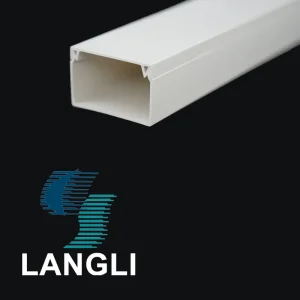
Integrated inside modern residential and office concrete walls or surface cable duct installations. Provides sleek aesthetics, easy snap-fit cover access, flush switch gang mounting, and full compliance with regional electrical safety codes.
Ideal for chemical plants, water treatment facilities, and automotive assembly lines where airborne oils, corrosive washdowns, and mechanical impacts are routine. IK09/IK10 ratings safeguard internal relays and terminal blocks.
The switch enclosure industry is undergoing significant technological transformations driven by sustainability metrics and IoT connectivity. Leading OEM/ODM factories are adapting to three major market trends:
Modern industrial switch enclosures are increasingly integrated with internal micro-climate sensors. These low-power sensors monitor interior relative humidity, localized hot-spots, and door tamper states, transmitting real-time telemetry via LoRaWAN or NB-IoT networks to prevent catastrophic equipment failure.
In response to strict EU REACH and RoHS regulations, export manufacturers are shifting toward Zero-Halogen (LSZH) formulations. These bio-based or fully recyclable polymers ensure that in the event of thermal combustion, non-corrosive, non-toxic smoke is emitted, safeguarding human life in enclosed subway systems and public arenas.
Time-on-site is the single largest cost driver for electrical contractors. Next-generation enclosures feature tool-less internal mounting rails, push-in terminal blocks, and tool-free DIN rail brackets, accelerating installation speeds by up to 40% compared to traditional screw-fastened models.
Procuring switch enclosures at wholesale volume requires rigorous audit criteria to prevent supply chain disruptions, off-spec wall tolerances, and customs clearance delays. International procurement teams should apply the following verification protocol:
1. Precision Mould Calibration: Verify that the factory maintains tight socket fit tolerances (±0.05mm) to guarantee seamless solvent welding or clip-fitting with matching conduit pipes and trunking profiles.
2. Certifications & Test Reports: Demand recent, unexpired third-party laboratory test reports (SGS, TÜV, BV) covering CE marking, RoHS compliance, glow-wire flammability, and IP ingress testing.
3. Batch-to-Batch Color Consistency: Ensure raw material color compounding relies on automated gravimetric feeders to prevent shade mismatch between distinct shipment lots.
4. Export Packaging Integrity: Confirm heavy-duty 5-ply corrugated master cartons, internal plastic film wrapping, and reinforced pallet corner protection to withstand oceanic transit stresses.
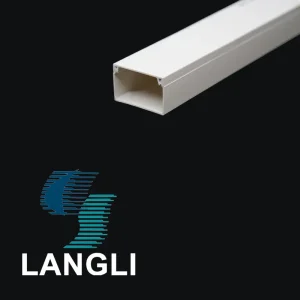
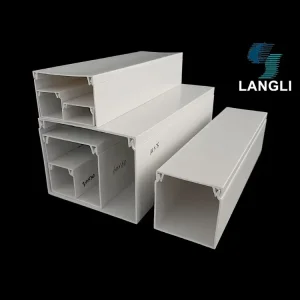
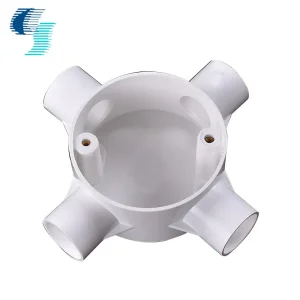
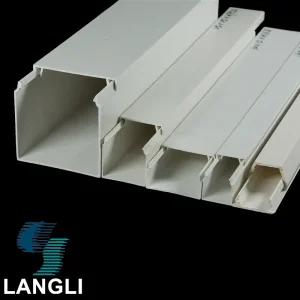
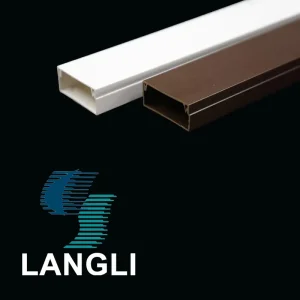
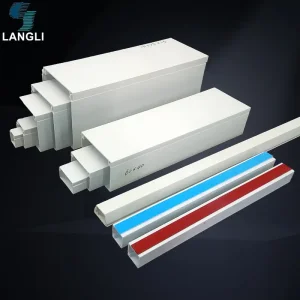
Select from our specialized line of custom color options, decorative residential trunking, and circular junction boxes built for high-demand distribution markets.
Get authoritative answers directly from our senior engineering team regarding compliance, custom mold production, resin formulations, and export logistics.