 LANGLI PVC Request a Catalog LANGLI PVC Request a Catalog
 Explore our engineered line of customizable UPVC reducers, cable trunking assemblies, and fireproof electrical conduit components manufactured for global infrastructure projects.
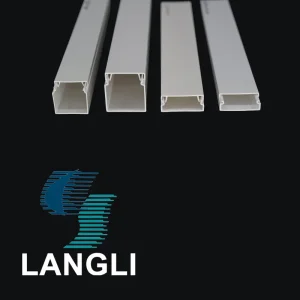
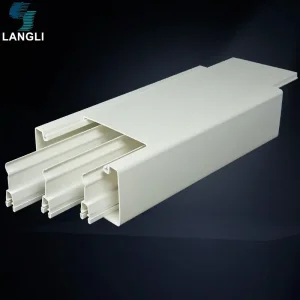
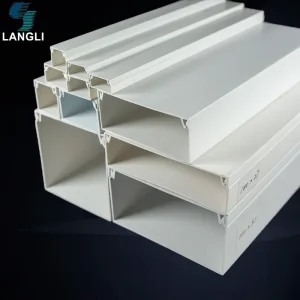
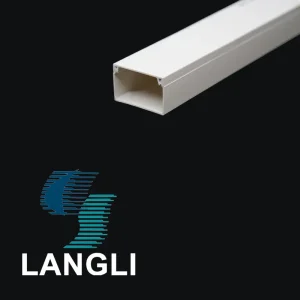
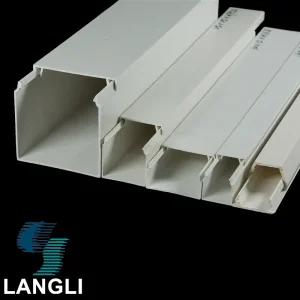
Unplasticized Polyvinyl Chloride (UPVC) reducers represent a crucial geometric transition component in modern fluid mechanics, chemical process piping, and structural electrical conduit raceways. By smoothly stepping down or stepping up nominal pipe diameters (DN), custom UPVC reducers maintain hydraulic stability, minimize turbulent kinetic energy dissipation, and eliminate localized pressure drop spikes in complex piping topologies.
Unlike standard plasticized PVC, UPVC features zero added plasticizers, resulting in a rigid polymer matrix characterized by exceptional Tensile Modulus (>3000 MPa at 23°C), chemical inertness against aggressive mineral acids and alkalis, and superior flame resistance (UL94 V-0 ratings). As global industrial hubs accelerate automation and green infrastructure upgrades, the procurement demand for precision-engineered, high-tolerance custom UPVC reducers from certified OEMs and direct manufacturing facilities has expanded exponentially.
Precision internal taper transitions prevent flow separation zones, cavitation, and sudden energy losses across high-velocity fluid circuits.
Rapid prototyping and CNC toolmaking allow customized concentric or eccentric reducer dimensions matching non-standard conduit gauges.
Resistant to soil acids, galvanic corrosion, UV degradation, and halogen-free fire exposure under BS EN 61386 compliance standards.
The global market for UPVC industrial fittings, reducers, and cable wireway systems is undergoing a structural paradigm shift driven by strict environmental mandates, urbanization, and industrial digitisation. According to regional market evaluations across North America, EMEA, and APAC, the reliance on high-density polyethylene (HDPE) and traditional metallic conduits is shifting toward engineered UPVC compounds in multi-dwelling residential, chemical processing, and semiconductor manufacturing cleanrooms.
When selecting custom UPVC reducers, procurement engineers and system designers must evaluate the hydraulic and structural requirements between concentric and eccentric geometries:
Below is a standardized technical specification matrix comparing industrial-grade UPVC fittings and conduit reductions against structural performance metrics:
| Parameter | Standard UPVC (Unplasticized) | Chlorinated PVC (CPVC) | Polypropylene (PP) | Testing Standard |
|---|---|---|---|---|
| Density (g/cm³) | 1.38 – 1.45 | 1.50 – 1.58 | 0.90 – 0.91 | ISO 1183 |
| Tensile Yield Strength (MPa) | 50 – 55 | 55 – 65 | 25 – 35 | ISO 527 |
| Vicat Softening Temp (°C) | ≥ 80°C | ≥ 103°C | ≥ 95°C | ISO 306 |
| Fire Retardancy Rating | UL94 V-0 / Self-Extinguishing | UL94 V-0 / 5VB | UL94 HB | UL94 |
| Hydrostatic Hoop Stress Capacity | High (25 MPa @ 20°C) | Very High (25 MPa @ 60°C) | Moderate | EN ISO 15493 |
Top-tier UPVC reducer factories utilize modern hot-runner injection molding machines coupled with automated resin blending silos. The raw material compounding process strictly regulates calcium-zinc (Ca-Zn) or organotin thermal stabilizers, eliminating heavy metal toxicity (Lead/Cadmium-free) while ensuring compliance with European RoHS 2.0 directives and CE certification standards.
Quality assurance protocols follow a three-stage verification matrix:
How custom UPVC reducers and cable trunking systems solve complex engineering challenges across industrial sectors.
Facilitates transitions between main feeder cable ducts and branch mini-trunking in high-rise commercial structures, ensuring continuous flame retardancy and sleek surface aesthetics.
Conveys concentrated acid and alkaline streams across varied pipe diameters without risk of wall degradation, pitting corrosion, or chemical leaching.
Integrates smooth-wall eccentric reduction fittings into high-salinity reverse osmosis (RO) intake lines, enduring extreme hydrostatic pressures without corrosion.
Enables low-friction airflow step-down in specialized positive-pressure cleanroom ducting systems requiring volatile organic compound (VOC) compliance.
As smart building management systems (BMS) and Industry 4.0 production environments mature, the custom UPVC fitting industry is evolving from passive hardware components to intelligent structural networks.
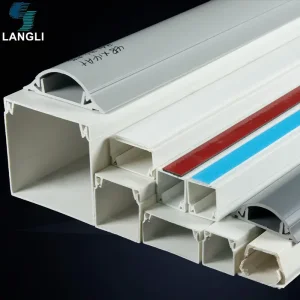
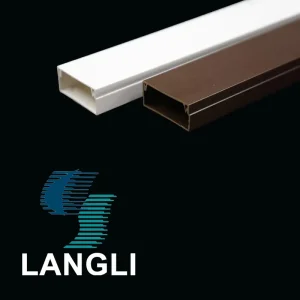
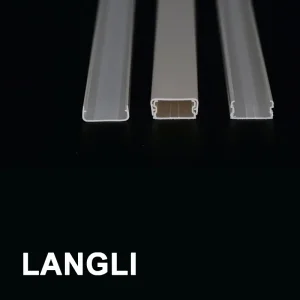
Expand your sourcing catalog with our custom-engineered wiring ducts, trunking bodies, and high-durability plastic fittings.
Expert responses regarding custom UPVC reducer manufacturing, international standards, MOQ, and technical specification guidelines.