 LANGLI PVC Request a Catalog LANGLI PVC Request a Catalog
 Engineered to international BS EN, DIN, and ASTM standards. Explore our primary OEM catalog selections below.
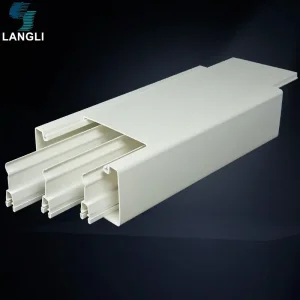
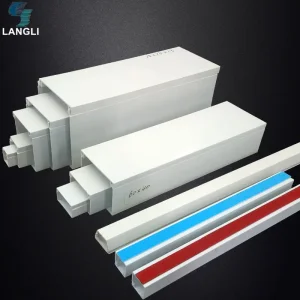
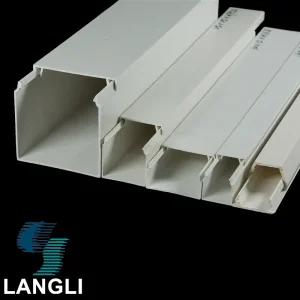
In the realm of global industrial piping, municipal fluid transport, and commercial electrical cable ducting, the PVC pipe reducer serves as a critical structural and fluid-dynamic element. Designed to bridge piping conduits of dissimilar nominal diameters, a high-integrity PVC reducer ensures seamless hydrodynamic transition, mitigates pressure surges (water hammer), and preserves mechanical strength across variable flow velocities or wiring volumes. Whether utilized in rigid unplasticized polyvinyl chloride (PVC-U / UPVC) pressure systems, chlorinated polyvinyl chloride (CPVC) high-temperature fluid networks, or specialized electrical conduit ducting, sourcing from a vetted OEM PVC pipe reducer supplier dictates long-term system reliability and operational compliance.
Technical Value Insight: Strategic procurement of OEM PVC reducers requires evaluating resin purity, cell classification (per ASTM D1784), wall thickness consistency, and socket dimensional tolerances. High-grade injection-molded reducers eliminate stress concentration zones inherent in secondary fabricated fittings, ensuring maximum burst pressure capability.
This technical whitepaper provides EPC contractors, municipal procurement officers, electrical engineering wholesalers, and industrial distributors with a comprehensive analysis of the global PVC reducer market. From resin formulations and precision mold engineering to macro industry implementations and localized compliance frameworks, this document outlines the criteria required to establish a secure, cost-effective, and technically superior supply chain with tier-1 China OEM manufacturers.
How polymer chemistry innovations, automation, and global sustainability directives are reshaping industrial fitting manufacturing.
Global environmental mandates (REACH, RoHS 3, and California Prop 65) have accelerated the phase-out of traditional lead and organotin heat stabilizers. Leading OEM suppliers now utilize Calcium-Zinc (Ca-Zn) and organic-based stabilizer (OBS) matrixes, guaranteeing non-toxic fluid transport and compliant electrical ducting without compromising thermal degradation resistance during molding.
To meet global demand while maintaining tight geometric tolerances, advanced manufacturers employ high-tonnage robotic injection molding presses integrated with hot-runner tooling. This automation limits flash generation, achieves internal socket concentricity within ±0.05mm, and reduces core cycle times by over 28% compared to semi-automated methods.
In electrical wire enclosure applications, PVC reducer fittings must act as flame barriers. Development in halogen-free smoke-suppressed formulations allows modern reducers to achieve UL94 V-0 ratings, ensuring self-extinguishing capabilities within 10 seconds and avoiding toxic halocarbon drip during building fires.
Quantitative baseline standards for rigid PVC concentric and eccentric reducers in fluid and conduit applications.
The following technical data reflects typical baseline values for injection-molded industrial PVC reducers manufactured according to ISO 1452, ASTM D2466, and BS 4607 standards.
| Nominal Size Transition (mm) | Standard Dimension Ratio (SDR) | Pressure Class (Bar) | Socket Depth Tolerance | Tensile Yield Strength | VICAT Softening Temp |
|---|---|---|---|---|---|
| 25mm x 20mm (3/4" x 1/2") | SDR 11 / Sch 80 | PN16 (232 PSI) | ±0.10 mm | ≥ 52 MPa | ≥ 80 °C |
| 32mm x 25mm (1" x 3/4") | SDR 11 / Sch 80 | PN16 (232 PSI) | ±0.12 mm | ≥ 52 MPa | ≥ 80 °C |
| 50mm x 32mm (1-1/2" x 1") | SDR 13.6 / Sch 40 | PN12.5 (180 PSI) | ±0.15 mm | ≥ 50 MPa | ≥ 78 °C |
| 75mm x 50mm (2-1/2" x 2") | SDR 17 / Sch 40 | PN10 (145 PSI) | ±0.18 mm | ≥ 48 MPa | ≥ 78 °C |
| 110mm x 75mm (4" x 2-1/2") | SDR 21 / Class C | PN10 (145 PSI) | ±0.20 mm | ≥ 48 MPa | ≥ 76 °C |
| 160mm x 110mm (6" x 4") | SDR 26 / Class B | PN6 (87 PSI) | ±0.25 mm | ≥ 45 MPa | ≥ 76 °C |
How specialized PVC reducer geometries solve fluid dynamic and mechanical challenges across divergent market sectors.
In municipal potable water delivery networks, maintaining laminar flow during pipe size changes is paramount. Concentric PVC reducers provide symmetrical flow contraction, converting static head into velocity head with minimum friction loss. Utilizing high-density virgin UPVC resin prevents biofilm accumulation, resists chlorine disinfectant leaching, and eliminates internal wall scaling over a 50-year service life.
Commercial building management demands adaptive cable routing solutions where high-density trunking drops into localized distribution points. PVC conduit reducers enable smooth wire pulling without snagging or sheath abrasion. Engineered with anti-static agents and fire-retardant additives, these fittings transition smoothly between major riser conduits (e.g., 50mm) and branch wiring boxes (e.g., 20mm or 25mm).
Industrial processing facilities handling inorganic acids, alkalis, and saline solutions utilize CPVC and heavy-duty PVC reducers in place of expensive metallic alloys. Their chemical inertness ensures immunity to electrochemical corrosion and soil stray currents, while precise solvent-weld sockets form monolithic joints capable of withstanding continuous chemical circulation at elevated pressure heads.
In gravity-fed drainage lines, maintaining a continuous flow line (invert level) is necessary to prevent sediment settling. Eccentric PVC reducers feature a flat bottom profile that prevents air pockets from forming upstream while keeping solids suspended. OEM suppliers manufacture these specialized asymmetric fittings to precise drainage slope specifications.
Procuring PVC pipe reducers globally requires strict compliance with international manufacturing codes and local building regulations. A reliable supplier must provide full documentation traceability, certified raw material data sheets, and comprehensive batch testing protocols.
Guarantees compliance with European health, safety, and environmental protection standards. Ensures zero restriction of hazardous substances (lead, mercury, cadmium, PBDEs) in electrical installations.
Molded precisely to match Imperial (Schedule 40/80) and Metric (ISO 1452 / DIN 8062) outer dimensions, allowing seamless solvent cement welding with third-party piping systems worldwide.
Rigorous quality management covering raw material moisture analysis, hydrostatic pressure burst testing, falling-weight impact testing at 0°C, and laser micrometer wall checks.
A critical advantage of working with an experienced OEM PVC fitting supplier is logistical optimization. Concentric and eccentric reducers, due to their tapered geometric nature, offer optimal nested packing opportunities inside larger conduit pipes, trunking profiles, or junction boxes. By developing customized carton configurations and palletization schemes, OEM exporters can maximize CBM utilization by up to 22%, dramatically reducing per-unit sea freight expenses for overseas distributors.
Next-generation innovations shaping the future of plastic piping systems and smart infrastructure.
Integration of carbon nanotubes and graphene nanoplatelets into PVC formulations will produce ultra-thin reducers featuring double the tensile strength and impact resistance of traditional UPVC, reducing material consumption while increasing working pressure tolerances.
Development of advanced chemical recycling techniques will allow OEM factories to incorporate up to 40% post-industrial recycled (PIR) PVC into non-pressure and conduit reducers without degrading mechanical yield strength or surface finish quality.
Full integration of machine vision and automated ultrasonic testing directly inside injection molds to instantly reject micro-voids, weld-line weaknesses, or off-center wall tolerances at line speeds exceeding 1,000 units per hour.
Engineering and procurement answers directly from our technical support team.
Complete your procurement package with our certified range of PVC trunking and cable management accessories.